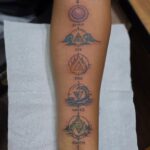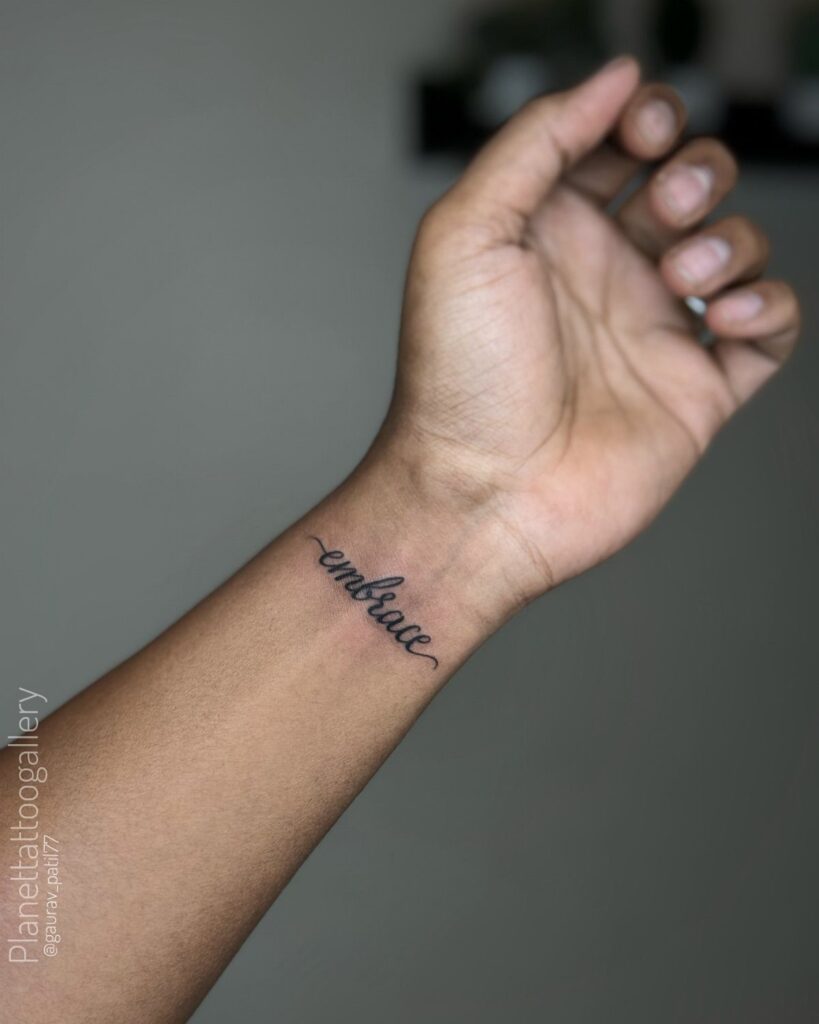
Small tattoo placement ideas range from the inner wrist at a 5 or 6 out of 10 on the pain scale to the ribcage, where bone sits so close to the surface that the process becomes genuinely memorable.
What decides the right spot is whether you need the tattoo to show on your own terms or vanish completely under standard clothing.
1. Inner Wrist
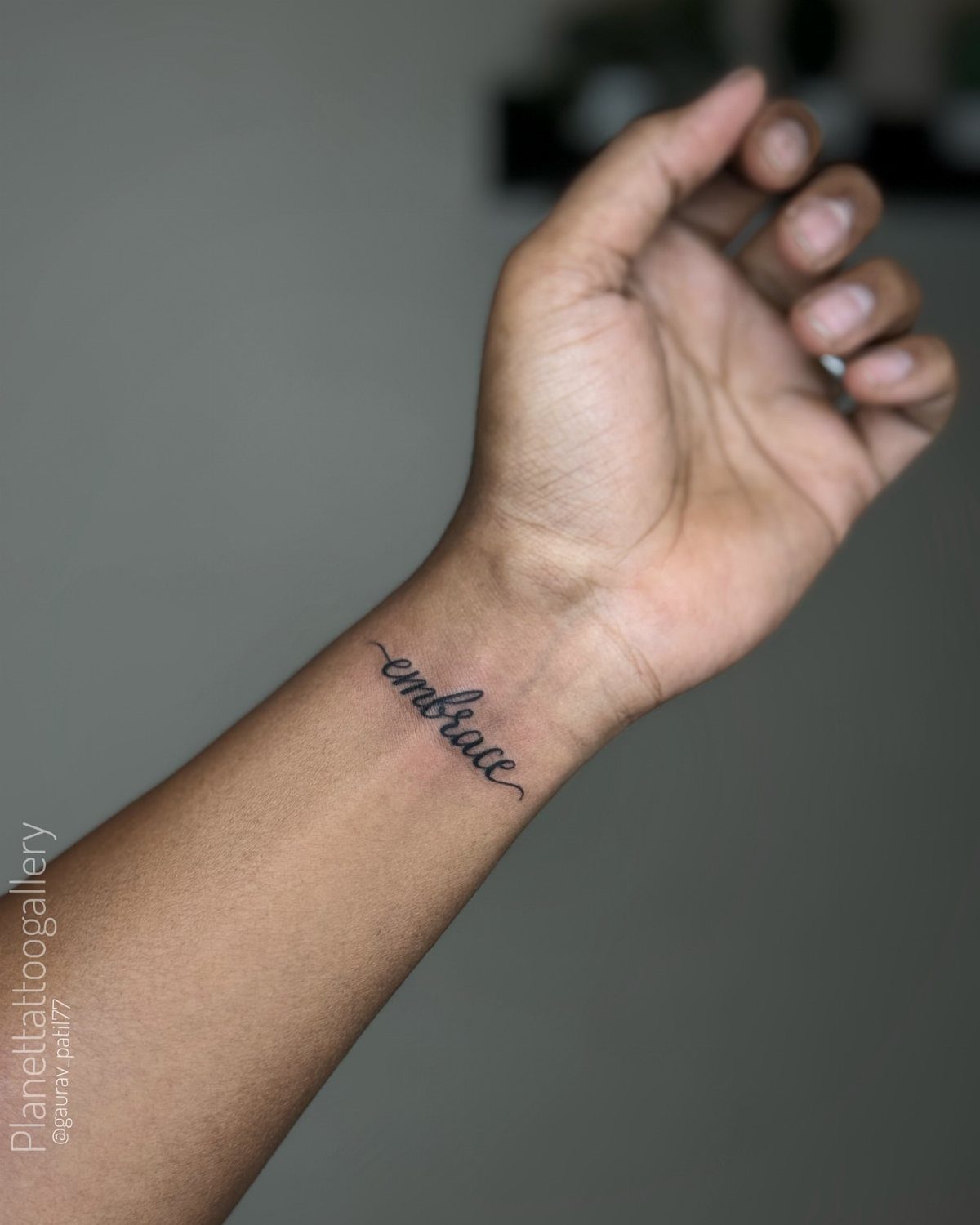
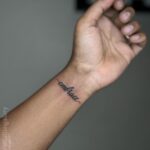
A word on the inner wrist reads like a note you wrote to yourself and forgot to erase.
I like this spot for dates and short phrases because you see them constantly, which is the point of a reminder, but a watch or bracelet hides it completely for work.
Pain here is no joke, the thin skin leaving bone and tendon close to the surface. The area moves a lot, so healing takes patience, and frequent washing wears the ink faster than a protected spot.
Keep the design small and clean. Cursive works, but simple symbols and thin line art hold up better long-term on skin that bends this often.

Premium Quality 1.5mm Silicone Material – Crafted from premium 1.5mm thick silicone, this tattoo skin offers a true-to-life feel with excellent durability and a smooth surface for effortless needle movement during practice.

Henna Tattoo Stencils Kit: Included 12 Sheets Self-adhesive Hand Stencils,each measurement approximately 7.6 x 4.1 inches(Only Templates,No Tattoo Ink)

Our 2 inch thermal tattoo stencil paper adopts professional 2-layer composite structure with uniform thermal coating, delivering ultra-sharp, smudge-free transfer effects. Perfect for tiny lettering, thin outlines and delicate mini patterns, no blurry or faded lines on finger, ear, wrist small tattoos. The thick base paper resists tearing during printing and transferring, stable for all daily tattoo creation.
2. Behind the Ear
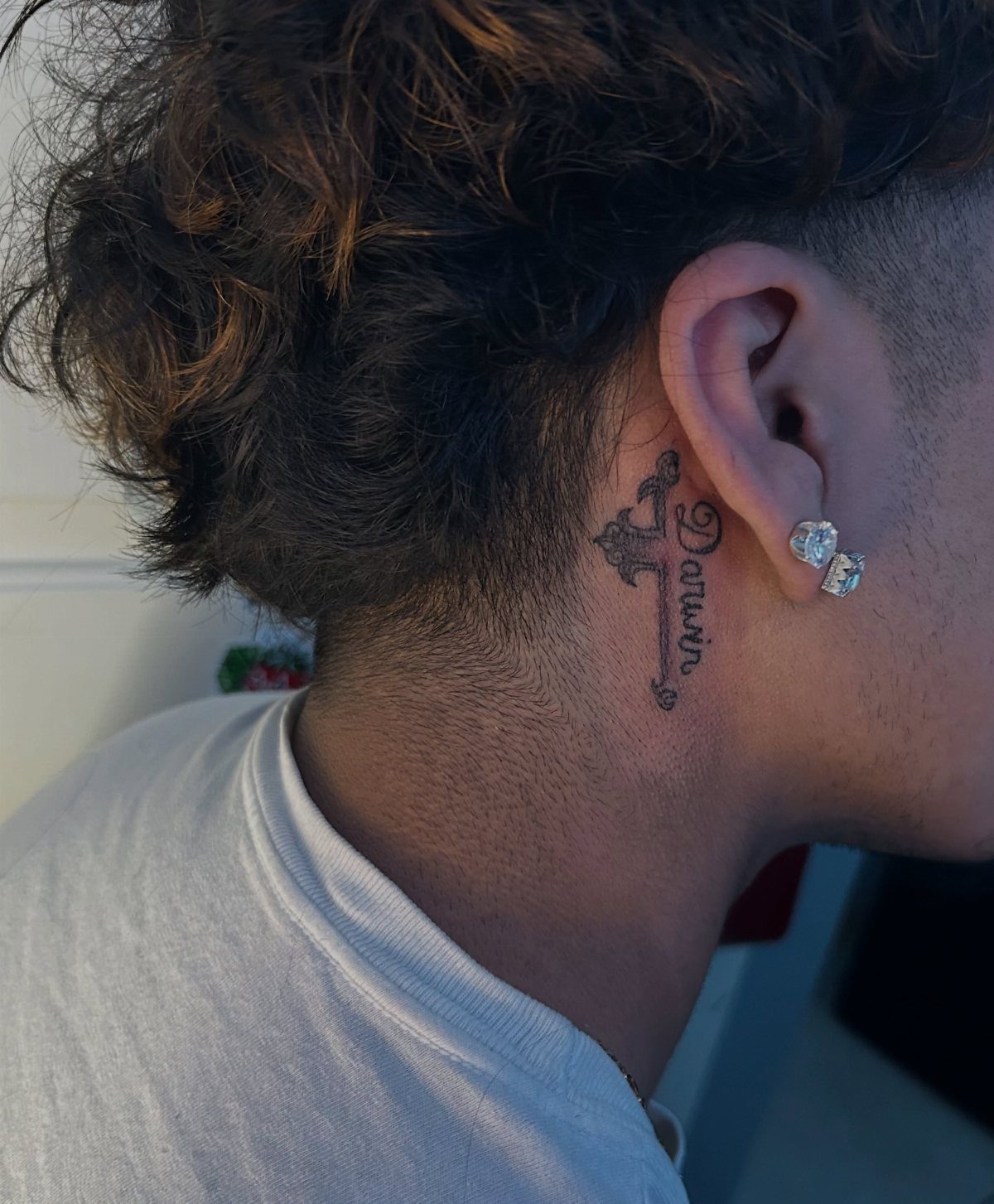
Hair covers it. That is the whole appeal.
Cartilage and nerve endings make the vibration feel sharper than the needle itself. Most people choose something tiny, a star or a short word, because the space is small and the experience is not one you want prolonged.
A cross with a name works because the shape is simple and the lines are bold enough to read through hair. Delicate florals are common too, though fine detail can blur where the skin is this thin.
Longer hair hides it completely.
Shorter cuts or updos expose it. Decide which version of yourself you are dressing for.
Right behind the ear is a great semi-hidden spot for a small tattoo.

COMPLETE AFTERCARE KIT FOR NEW & EXISTING TATTOOS: This Tattoo Aftercare Kit brings together 3 essentials, Antimicrobial Soap, Tattoo Balm, and Tattoo Lotion, to help cleanse, protect, and moisturize fresh ink. Useful after tattoo sessions and throughout healing, it supports vibrant color and skin comfort for dedicated ink enthusiasts and artists
Piercing Aftercare Spray is an ideal Ear Piercing Cleaner, Piercing Bump Solution, and Piercing Cleaner for septum, belly, nose, and all body piercings. Better than Saline Spray for Piercings, Piercing Aftercare Spray keeps your piercing cleaner.

ALL NATURAL PIERCING AFTERCARE SPRAY - Base Labs piercing aftercare spray for new and existing piercings is powered by our Isotonic Saline Solution. Use as a cleanser and saline spray for piercings, bumps and keloids on the Ear, Nose, Belly Button, Earrings, Tattoo Aftercare, Wound Wash and more.
3. Ankle
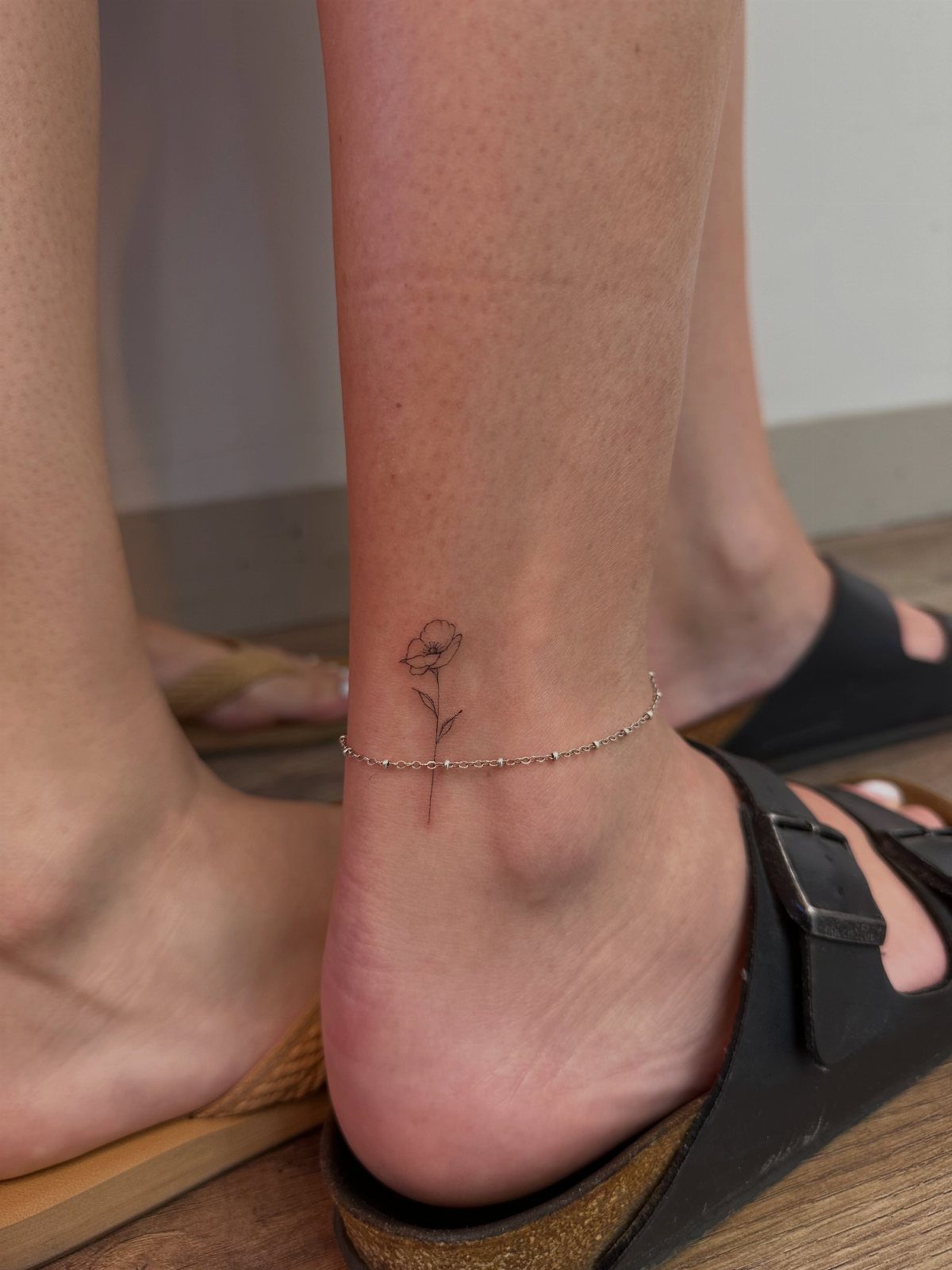
An ankle tattoo peeks from a sandal or disappears under a sock, which is the kind of control I want in a placement.
The curved bone and thin skin mean real discomfort, and shoe friction means the ink fades faster than on your upper arm. Chains and florals that wrap the bone work well because they follow the shape rather than fighting it.
Healing demands thought about footwear.
New ink under a tight boot rubs and sweats; plan this for sandal season or accept a longer recovery. A fine-line rose with an anklet shows the jewelry and tattoo doing similar work, which is a choice, not a requirement.

MINIMALIST CHRISTIAN ART: Features a beautiful collection of faith-inspired spiritual designs, including fine-line crucifixes, a rosary bead strand, a continuous script "faith" text, and geometric sacred icons. This graceful assortment is crafted using a digital hand-drawn fine line tattoo ensures crisp lines to keep every tiny intersecting beam, script curve, and miniature dot perfectly defined.

Material: 316L Stainless Steel, Solid, Highly Resisted to Rust or Tarnish. Hypoallergenic, Suitable for Sensitive Skin.
4. Collarbone
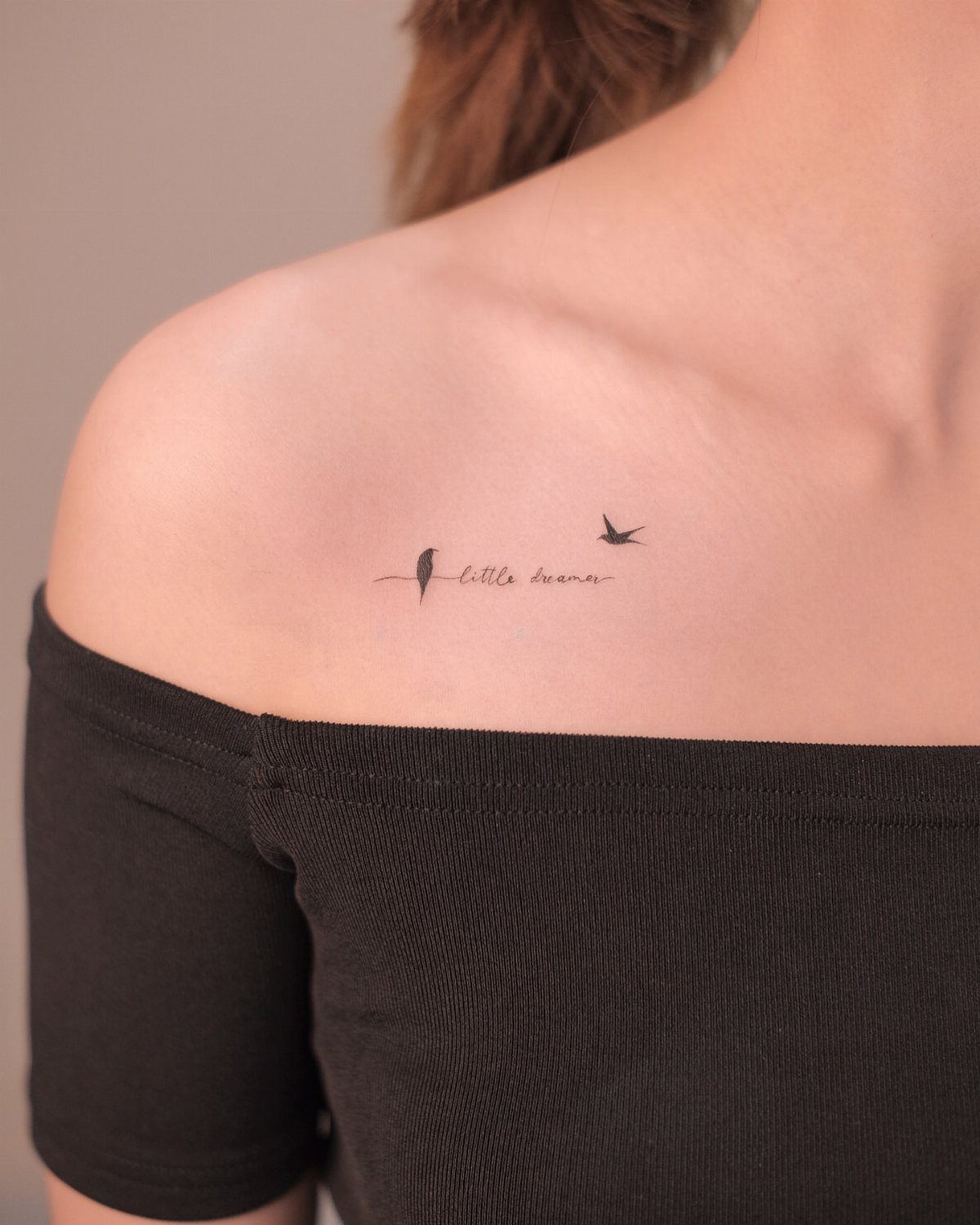
The bone creates a natural line that scripts and delicate motifs can follow, which is why this placement reads as elegant even when the design itself is simple.
The bone sits close to the surface with almost no padding.
2 small birds with text use the collarbone’s length without crossing into the more painful sternum area. Sun exposure matters here, the skin often visible in summer necklines, so plan for touch-ups or stay diligent with protection.
Higher necklines cover it for conservative settings.
Lower ones frame it like jewelry. That flexibility is what you trade the pain for.

Rich in Quantity: there are 4 pairs of cooling arm sleeves for men featuring tattoo inspired designs, which are enough for you to wear and replace in daily life; You can choose your favorite tattoo pattern to wear according to your mood and outfits, showcasing your unique style with ease

Ultimate Protection: Our sun protection sleeves block over 98% of harmful sun rays, offering superior protection against sunburn and skin damage. Ideal for any outdoor activity.
5. Shoulder Blade
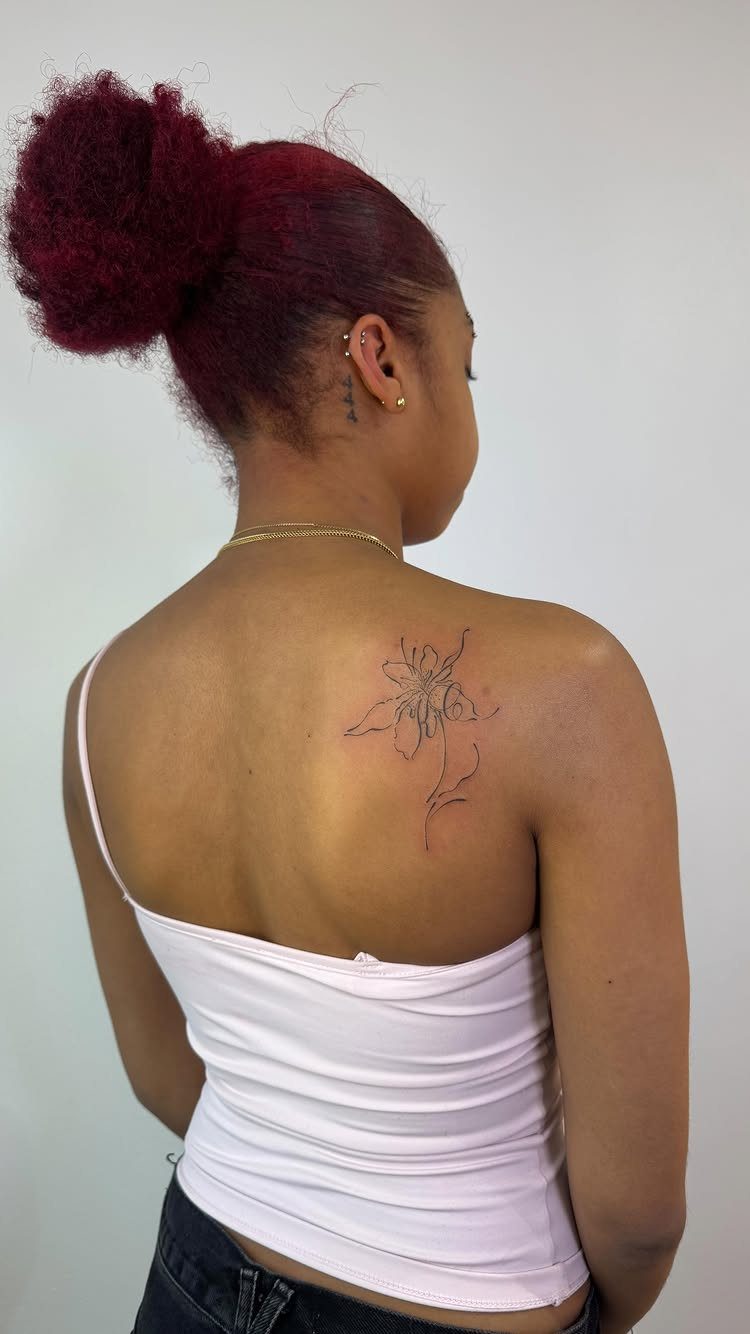
This is where I would put something I wanted to feel rather than see, a tattoo that exists for me and for whoever I choose to show.
The shoulder blade stays hidden under most shirts, visible only when you wear something open in back or deliberately turn around.
Small wings, flowers, or short phrases work well, the flat bone providing a stable surface for clean line work. A single fine-line flower holds its shape on skin that does not stretch or crease much.
Pain is moderate, muscle providing some cushion. The real consideration is whether you mind not seeing your own tattoo daily.
Some people do. I do not.

▶ Henna Tattoo Kit: 16 sheets tattoo stencils. airbrush tattoo stencils suitable for tattoo lovers. Experience the effects of tattooing without the pain of tattooing.

183PCS Different Styles Tattoos Stencil: Our temporary tattoo stencils forkids comes with 183 temporary tattoo stencils painting set design such as flowers, cats, hearts, skulls, dinosaurs, fruits, deer, scorpions, Hannah, unicorns, whales, cars, rainbows, telescopes, ships, too fast, astronauts, pirates, letters, stars and more Style in 12 sheets A5 size. Perfect for festivals, parties, or daily fashion.

【 575+ Fun Assorted Tattoo Stencils 】-The ChurlChurl tattoo stencils collection includes 575 high quality stencils with multiple themes. enjoy cute trendy tattoo stencil designs like butterflies, words, flowers, symbols, totem, Egypt style patterns and more.
6. Underneath or Side of Fingers
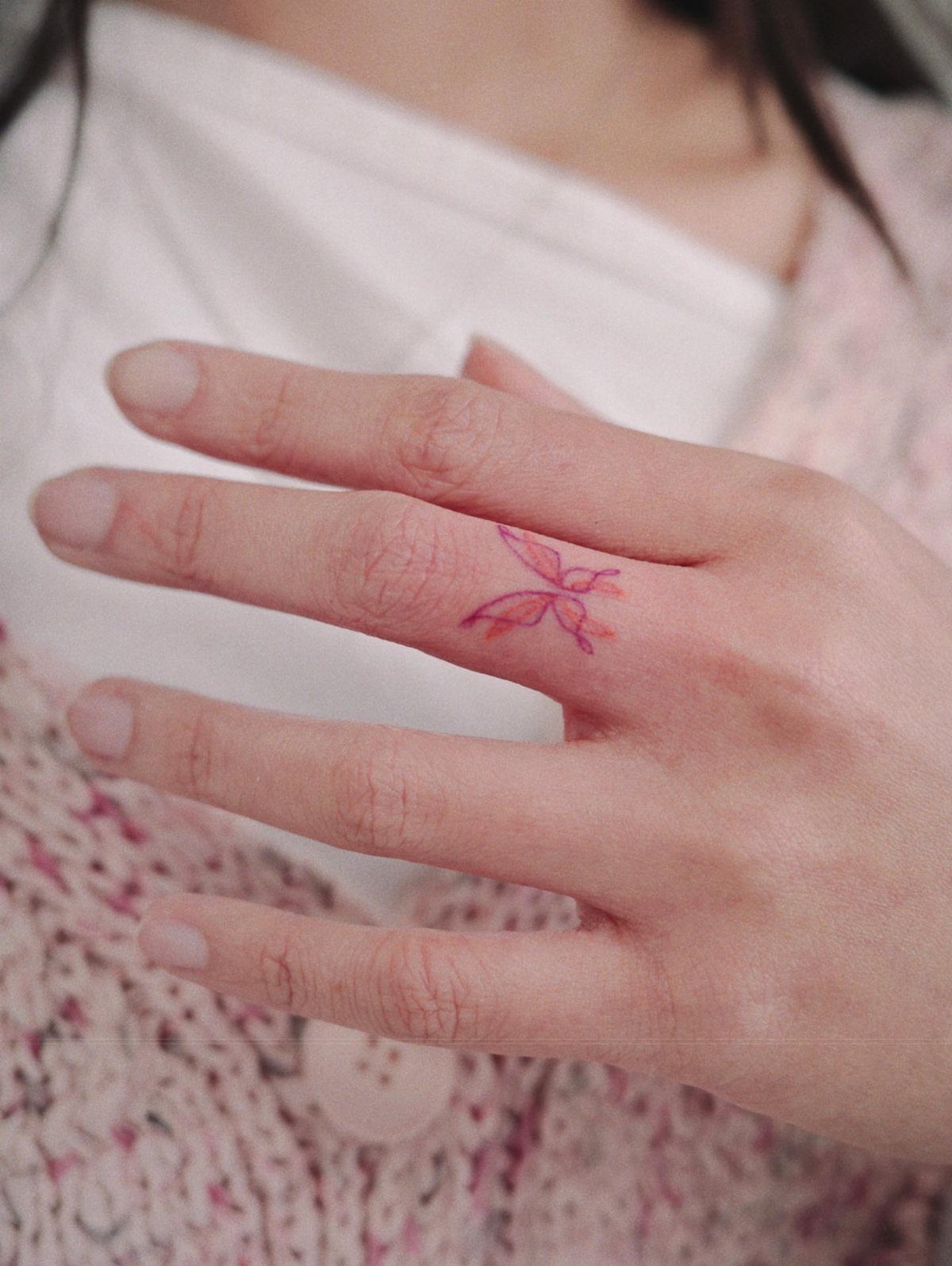
A butterfly on the side of a finger, small and bright, is visible when you gesture and gone when your hand rests. That occasional quality suits people who want the tattoo to be a choice, not a constant announcement.
Bone and nerve sit close to the surface, but the real issue is longevity.
Hand skin regenerates constantly, ink fades, and touch-ups become routine. Color fades faster than black here; I would choose a simple symbol in solid black if I wanted it to last without frequent maintenance.
Aftercare is harder than most spots.
You wash your hands dozens of times daily. Plan for that, or plan to return to the artist.

Saving Paper & Cut Down Consumable Costs: Featured with a compact 2.2 x 3.1 inch printing area, which equals 1/8 of a standard A4 tattoo transfer paper. Avoid unnecessary paper waste when printing small tattoo patterns, greatly improve paper utilization and effectively reduce your daily operating expenses

Clean, Flawless Transfers: Your artwork will look so clean once transferred to the skin with the Stencil Stuff gel! Gentle on the skin, Stencil Stuff transfer solution helps you achieve clear and sharp tattoo stencil transfers every time!

Diverse Design Selection: Explore over 80 unique stencil designs including butterflies, moons, numbers, shells, flowers, and more. Perfect for honing your skills in creating clean lines and appropriate shading.
7. Inner Arm
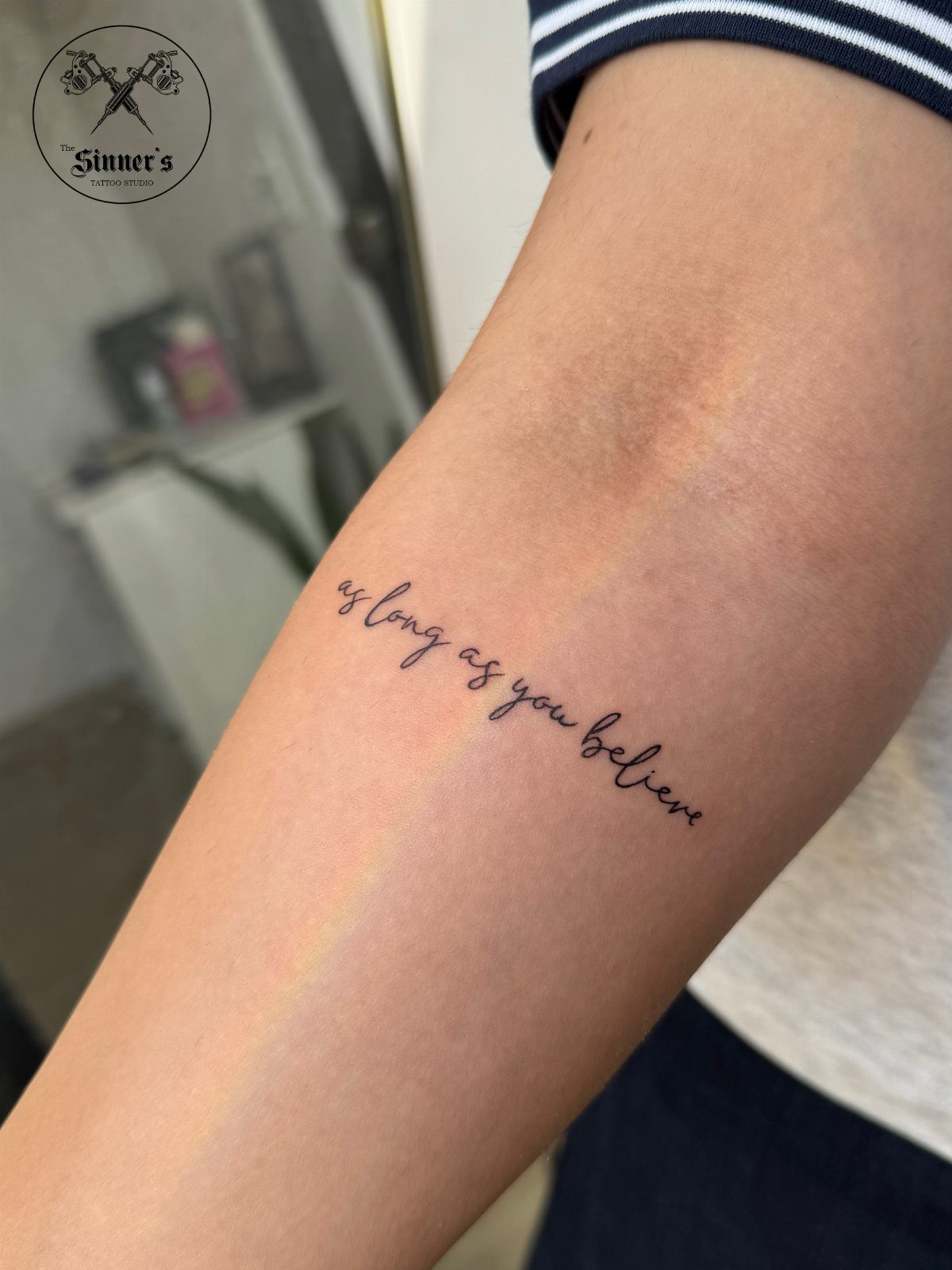
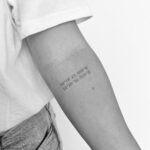
A sleeve rolls down and the tattoo vanishes, which is the kind of control that makes this spot a practical choice for first-timers.
The inner bicep sits on softer skin with more nerve density than the outer arm, so the sting comes through sharper than you’d expect from such a fleshy spot.
Slide toward the elbow and the sensation changes entirely; bone sits close under elastic skin there, with nerve endings bundled tight enough that holding still becomes its own challenge.
Quotes work well here, the flat surface keeping cursive legible, and symbols sit cleanly on muscle that provides some cushion.
Long sleeves cover it for any setting. Short sleeves expose enough to feel like the tattoo is yours to share.

COMPLETE CLEANSING ACTION - Can be used in conjunction with an antiseptic such as found in X-pression Piercing Aftercare, and anti-bactericide as found in Tattoo Goo Deep Cleansing Soap as well; This treatment method conforms to the requirements as set out by Association of Professional Pierces

RAPID SKIN RECOVERY: Studex Advanced 2-in-1 Aftercare & Cleanser is a rapid piercing aftercare solution and ongoing skin cleanser for body and ear piercings, with a 3-week application for faster recovery than the traditional 6-8 weeks.

Great Quality: These are perfect 2 x 3.5” inches in size cartilage piercing aftercare instructions with simple modern icons. Perfect to hand to your clients if you are piercing artist or tattoo studio specializing in body art piercing.
8. Ribcage
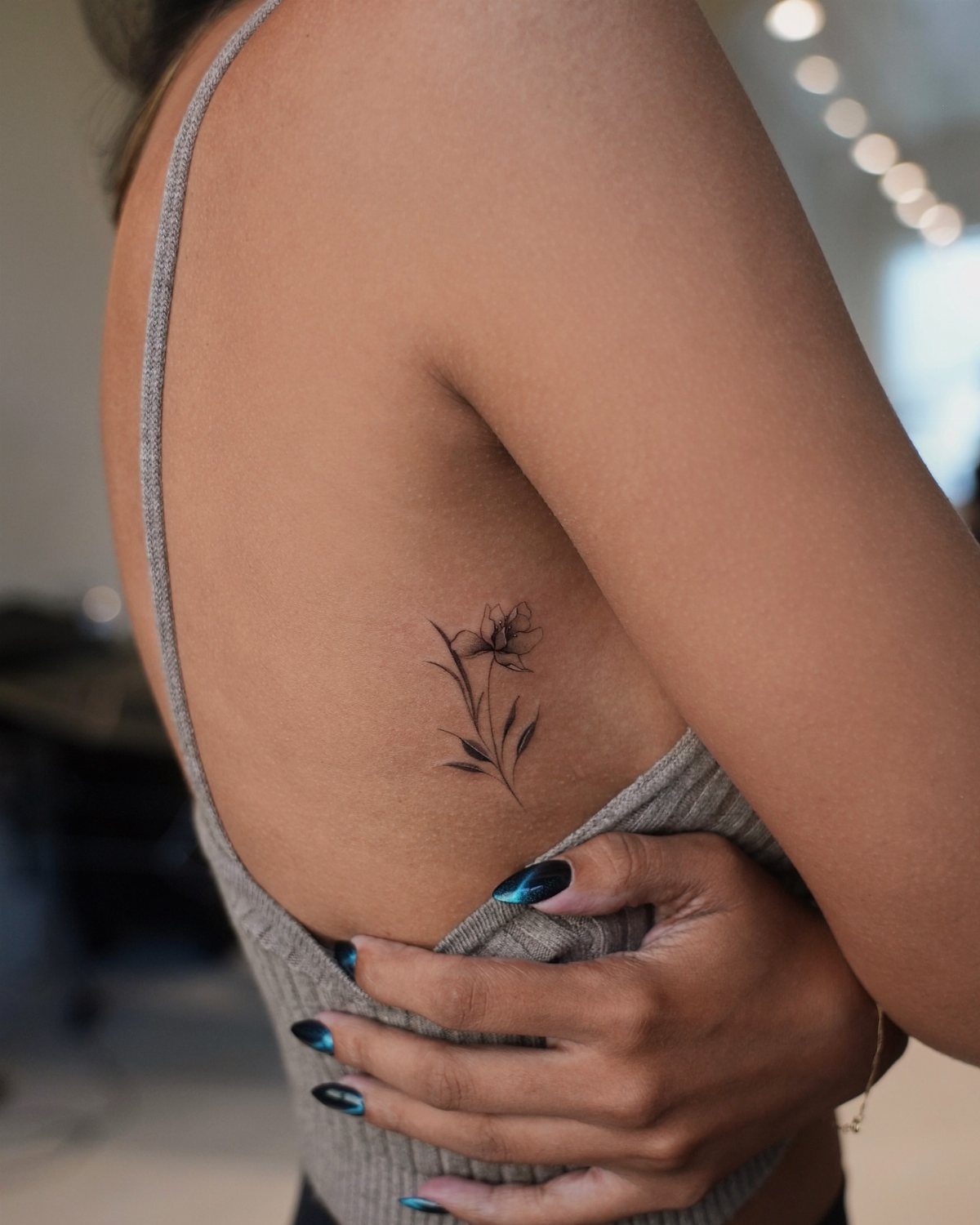
The ribcage offers length without width, a vertical strip of canvas that suits stems, script, or anything that wants to travel rather than spread.
The ribcage offers almost no padding between needle and bone, skin stretched thin enough that every vibration travels straight through.
This is one of the placements people remember, not because the result disappoints but because the process demands something from you. The curved surface does reward the effort, organic shapes following the body’s line more naturally than on flat ground.
Healing is straightforward despite the ordeal. The skin holds detail well over time, and most clothing hides the work completely.
9. Sideboob
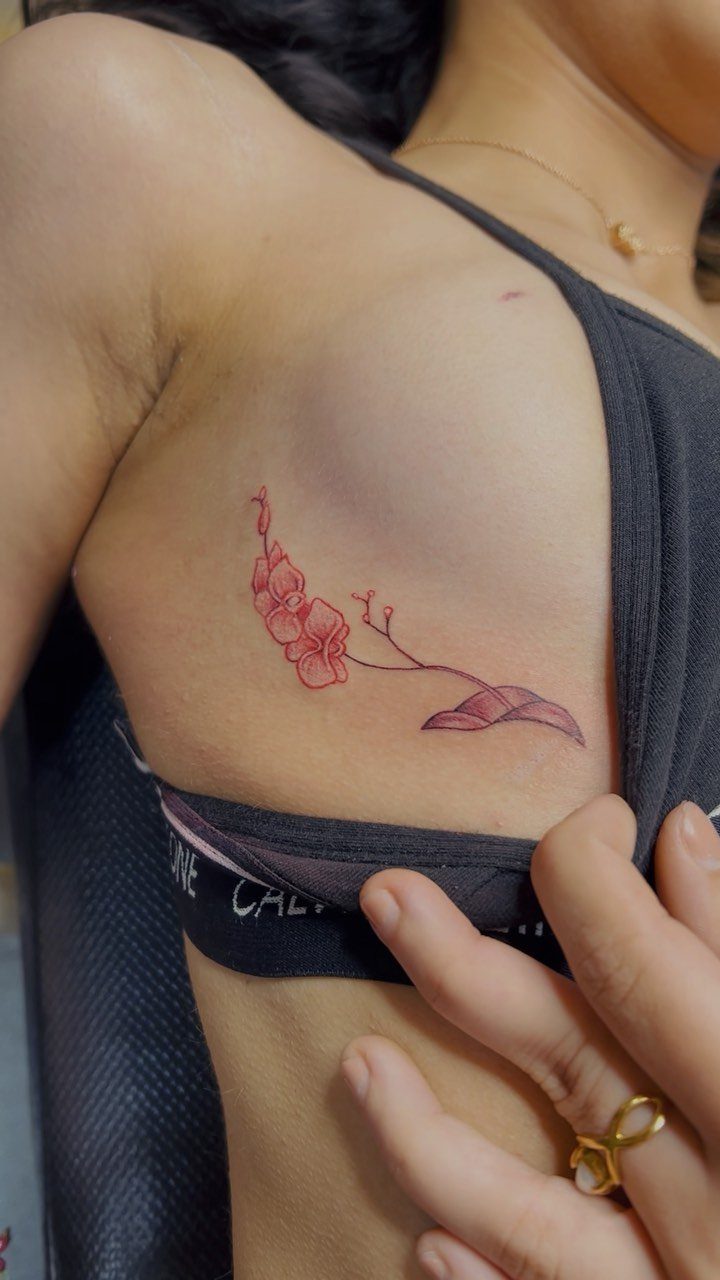
A tattoo here sits where only you choose who sees it, which changes what people put there.
The same bone and thin skin that make ribs brutal apply here, the 9-10 pain rating unchanged.
A red orchid follows the curve beneath the breast, the color choice deliberate against skin that sees little sun and keeps pigment bright. Florals are common, the shape growing naturally from the body’s line.
Bras and swimsuits cover it.
Intimacy reveals it. That selectivity suits personal symbols, things meant for specific eyes rather than public display.

American Made Quality - Proudly made in the USA with premium craftsmanship delivering high-quality protection and durability. Suntan full arm sleeves in MediuMLarge size for reliable coverage.


16 Pairs Arm Sleeves Set: you will receive 16 pairs of cooling arm sleeves in black, white and light grey, enough for daily replacement, outdoor use, team sharing or family use; A practical nice pack for summer sports, work, driving, fishing, cycling and other outdoor activities
10. Upper Thigh
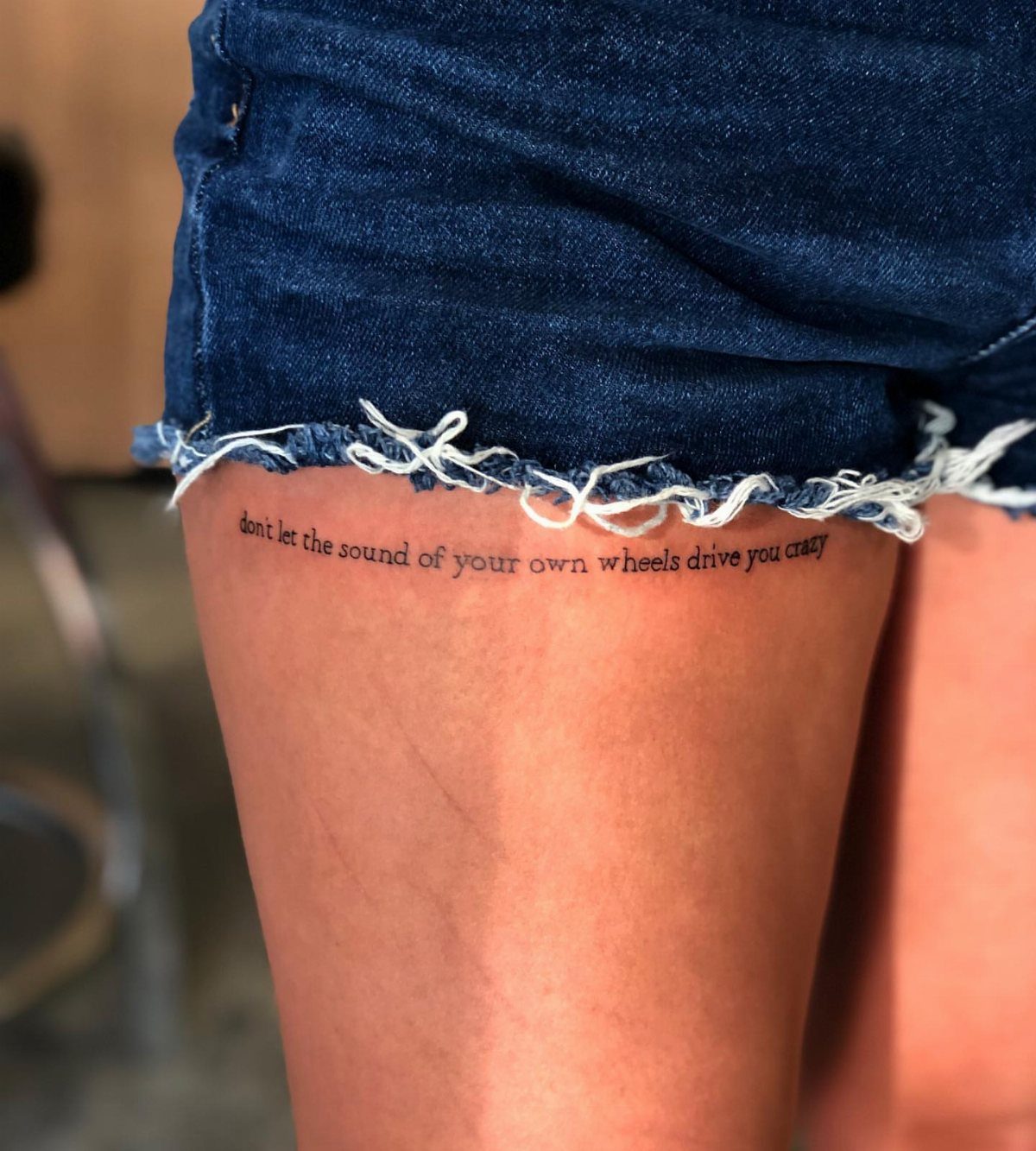
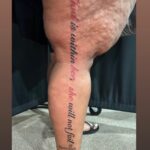
Denim cutoffs frame a quote on the upper thigh, a placement that disappears under most pants and emerges on your own terms.
The outer thigh carries enough muscle and fat to dull the bite of the needle, which is why so many people choose it for a first piece or a long session.
Move inward to 5-7, thinner skin with less buffering. The space allows larger work than most hidden spots, mandalas and portraits possible where elsewhere only symbols fit.
Swimwear and shorts expose it; everything else conceals. The curves age well, distortion minimal over years, and the freedom to go bigger without going public is the trade this placement offers.

VARIETY OF OPTIONS - This set of temporary tattoo stencil includes 262 different theme patterns. butterfly, mermaid, flower,pirate,animal,shark,crown, dinosaur etc daily kid’s favorite design, also have like as pumpkin, spider, bat, skull, snowflake, etc Halloween, Christmas festive Style in 14 pages A4 size.

⯁ 400+ Reusable Henna Stencils: Get 24 sheets of high-quality, self-adhesive hollow templates featuring over 400 unique patterns. These temporary tattoo stencils allow you to create stunning body art including mandalas, butterflies, and dragons. Perfect for practicing techniques without permanence
11. Stars
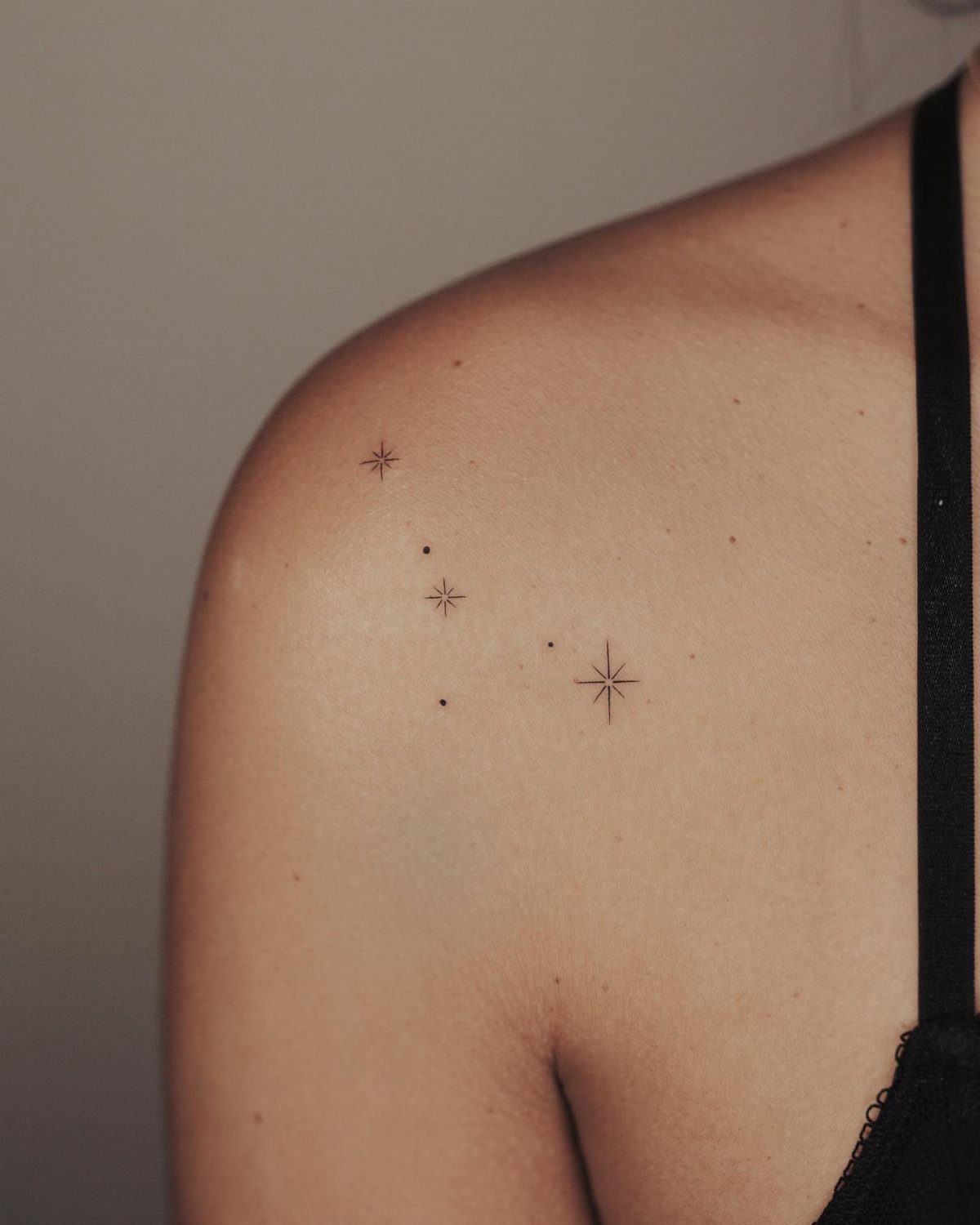
A single star needs no explanation, which is why people choose it and why it risks becoming nothing at all.
3 dots trailing a small constellation on the shoulder reads as sparkle, movement, something caught rather than placed.
The decision is how many: one star is a mark, a handful become a gesture, more than that and you are mapping something. Black ink keeps it clean at this scale.
Fine lines suit the size but demand a steady hand and a healed result you check for blowout. The shoulder moves less than the wrist, which helps.
12. Sternum
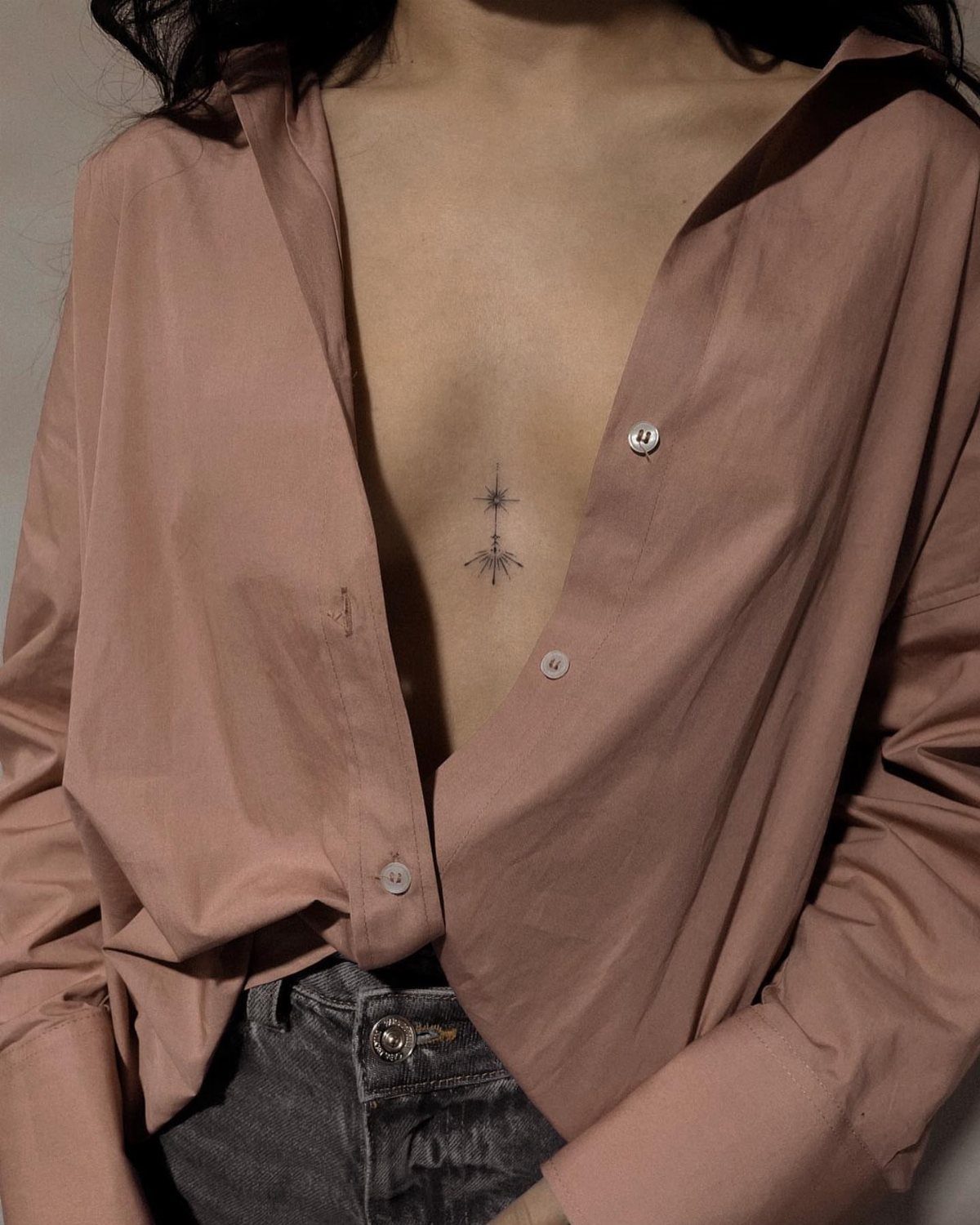
A starburst at the sternum’s center sits hidden under any buttoned shirt, revealed only when you choose the opening.
The vertical space elongates designs, geometric patterns and short phrases working with the body’s central line rather than across it. Symmetry comes naturally here, the placement doing half the compositional work.
Delicate work holds well with proper aftercare, and the privacy is absolute under professional dress. The decision is whether you want something this permanent this close to your own center.
13. Nape of the Neck
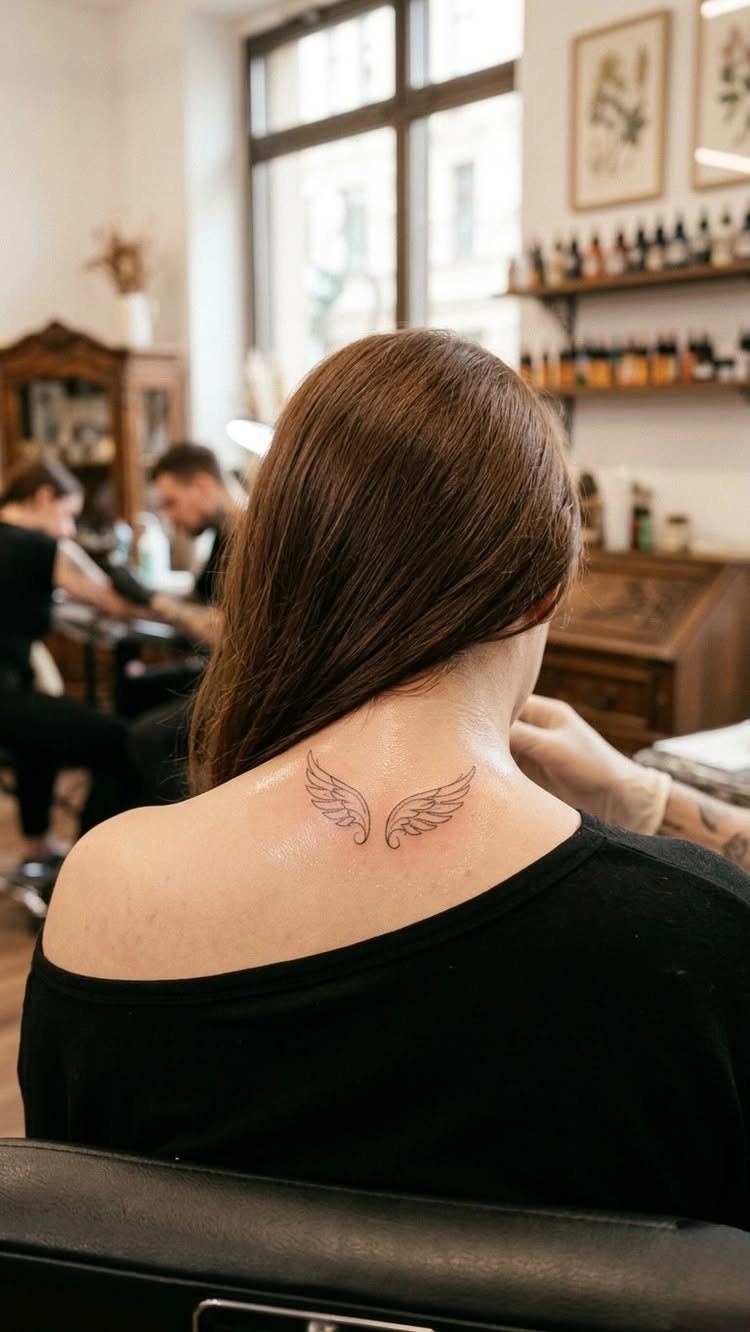
Hair falls forward and the tattoo disappears, which is exactly the control this placement offers.
The nape suits vertical designs, a small script or slender symbol following the spine’s line upward.
Angel wings work because the shape spreads naturally across the flat surface between muscle and bone. Thin skin over nerve pathways and the cervical spine leaves almost no buffer, so the needle hits harder here than on fleshier spots.
A high collar covers it for any setting. The decision is whether you want something this personal where you will never see it without a mirror.
14. Hip
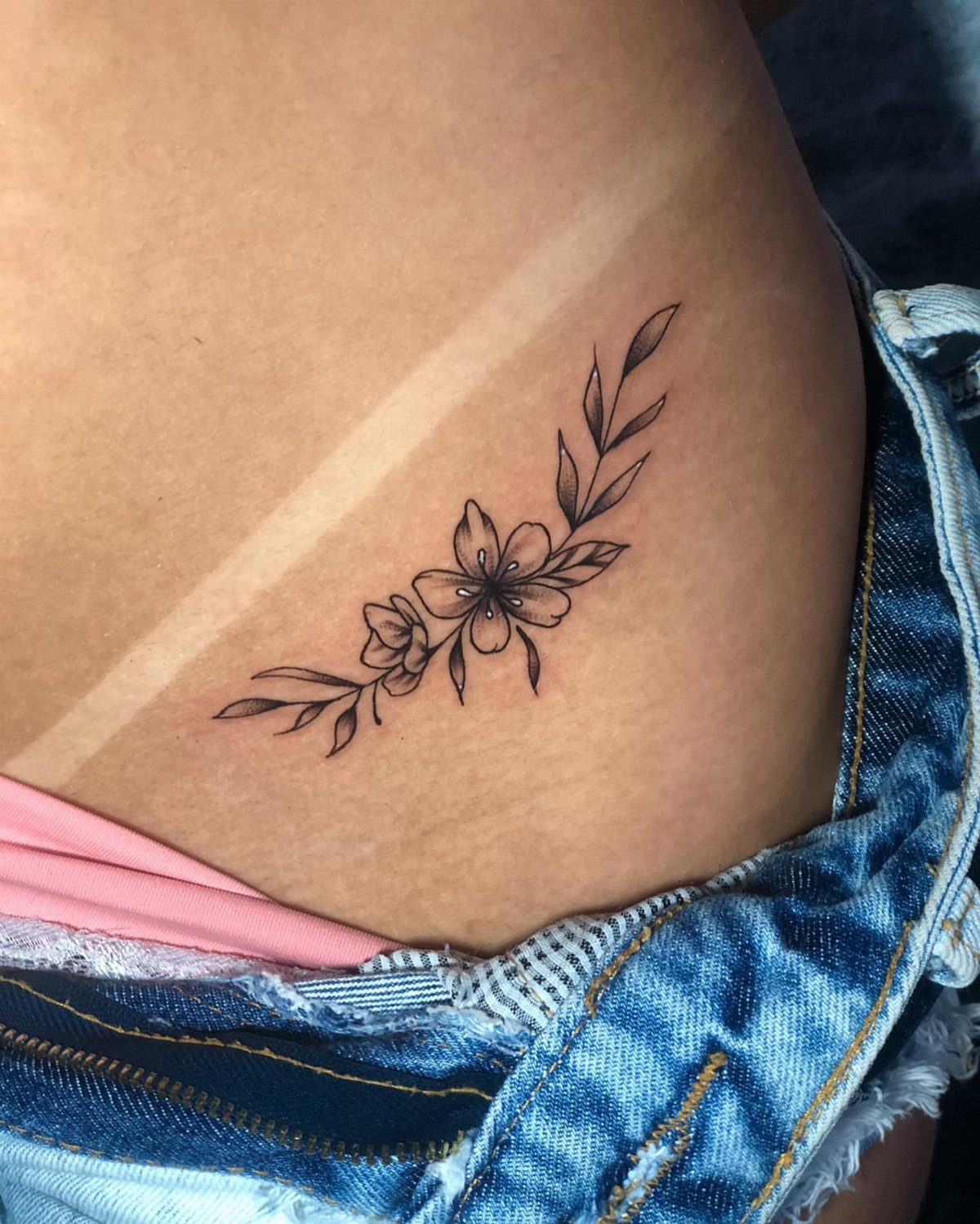
A floral tracing the hip’s curve follows the body’s own line, the tattoo becoming part of your silhouette rather than sitting on top of it.
Bone sits close to the surface here, though muscle and fat add enough cushion to take the edge off.
Normal body changes do not stretch this area much, so lines stay where they were drawn. Florals and script both work, the curve accommodating horizontal or vertical orientation.
Denim and professional dress hide it.
Swimwear frames it. That selectivity is what you trade the discomfort for.
15. Inner Lip
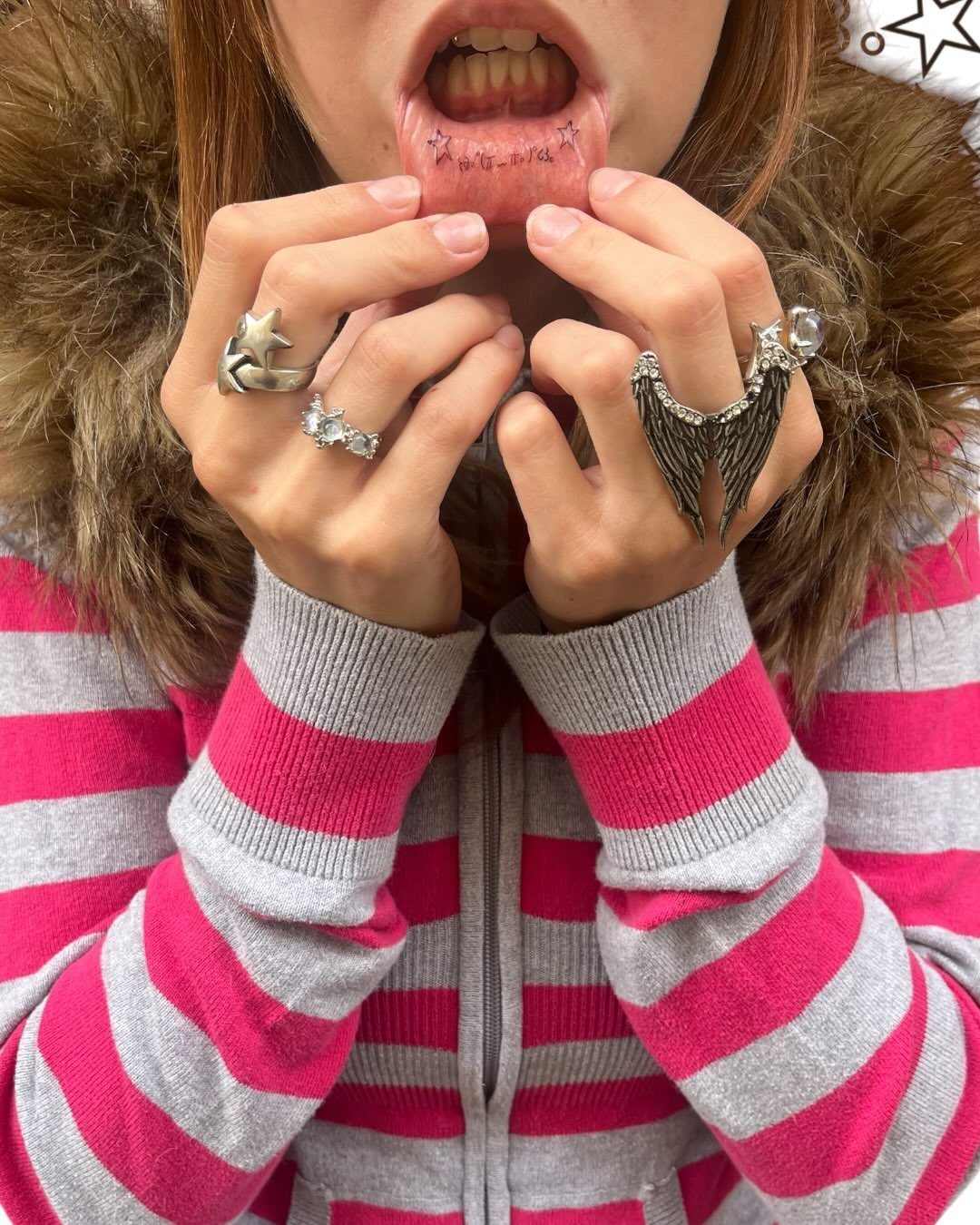
The inner lip is the only placement that vanishes the moment you close your mouth, which is the point for people who want the tattoo to exist without existing for anyone else.
Simple designs only: stars, symbols, short words. The moist environment and constant contact with teeth mean fine detail blurs and color fades fast.
Healing is its own challenge, the constant moisture inside the mouth keeping the area wet, food and drink demanding care to avoid irritation or infection.
This is not a first tattoo. This is a tattoo for someone who already knows how ink behaves on their body and wants something that answers to no one.
Pain Levels by Placement
Upper arm and outer forearm sit at the manageable end of the scale for most people, the muscle and fat doing real work to dull the needle’s bite.
Ribs and fingers land on the other side, bone and nerve sitting close enough to the surface that the sensation becomes memorable.
Inner wrist skin runs thin here, so bone, tendon, and major blood vessels sit right under the needle with almost no padding; most people rate the pain around 5 or 6 out of 10.
Nerve pathways cluster there too, which is why a spot this small can feel this sharp. Individual tolerance shifts these numbers; someone who sat through a rib piece without flinching might still find the wrist’s particular vibration hard to take.
Strategic positioning and bracelet coverage can hide the inner wrist when you need it gone, though the tattoo will show sometimes.
That partial control is part of what makes the placement work for people who want visibility on their own terms.
Longevity and Fading
Small tattoos in spots that rub against clothes, shoes, or other fingers fade fastest. Fingers, feet, and anywhere a waistband rubs wear ink down through constant contact.
Water does its own damage.
Frequent swimming without protection accelerates fading, the chlorine or salt working at the pigment while the skin stays wet. Sun completes the trio: unprotected skin fades faster, UV breaking down the ink particles over time.
Ultra-micro details are the design choice that ages poorly.
Tiny shading, small text, and micro-realism rely on precision the skin will not hold long-term. Small tattoos need clarity to read at all, and complexity that looks crisp on paper blurs into noise on living skin.
A simple symbol, a dot, or a clean minimal line on the finger works with those limits instead of pretending they do not exist.
Black holds longer than color on hands; the choice of ink matters as much as the choice of placement.
Choosing the Right Design
Small scale rewards simplicity. A design that reads in one glance ages better than one that demands close inspection, and the flat, stable surfaces that suit fine detail are not the spots most people choose for hiding.
The shoulder blade’s flat bone keeps line work clean, but the design still needs to work from a distance.
The collarbone’s length suits scripts and delicate motifs, yet the same bone-close, thin skin that makes the spot painful also means fine detail has less room to blur before becoming illegible.
Cursive on the inner arm stays legible because the surface stays relatively flat, but the length of a quote still needs to match the space.
Stems and vertical designs on the ribcage follow the body’s line naturally; horizontal spreads fight the curvature and distort as the body moves.
What the tattoo needs to say and what the placement actually lets it say are 2 different things to weigh against each other.
Frequently Asked Questions
How to find the right placement for a tattoo?
Start with what you need the tattoo to do. Daily visibility points toward wrist, collarbone, or forearm; workplace flexibility favors upper arm, rib, upper back, or ankle.
If you want the work to stay crisp for years, skip spots where skin rubs constantly, like fingers or feet. Hidden placements tend to feel more personal because you choose every viewer.
What are the most popular tattoos?
Stars, florals, short phrases and script, birds, butterflies, and simple symbols like dots and geometric patterns tend to dominate small placements. These recur across multiple spots because they read clearly at small scale and hold up over time.
What is the least painful placement for a small tattoo?
The upper arm and outer forearm are the most manageable for most people. Muscle and fat sit thick enough to dull the needle’s bite, unlike ribs or fingers where bone and nerve lie close to the surface.
Where do small tattoos last the longest?
The upper arm, shoulder, and outer forearm hold ink longer; the skin there is thicker and takes less day-to-day rubbing than fingers, feet, or the inner wrist.
Constant rubbing from shoes, waistbands, or other fingers wears ink down fastest, as does unprotected sun exposure.