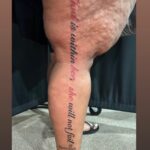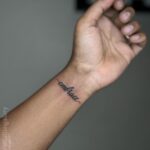
Line art tattoos run from a single-needle crescent moon to a full geometric landscape built on clean geometry, and the deciding factor is how much skin you are willing to give and how much story you need the line to carry.
A one-line portrait demands a steady hand and healed portfolio proof; a minimal celestial mark fits in one short session. The needle gauge, round liner or single, shapes every option below.
1. Fine Line Tattoos
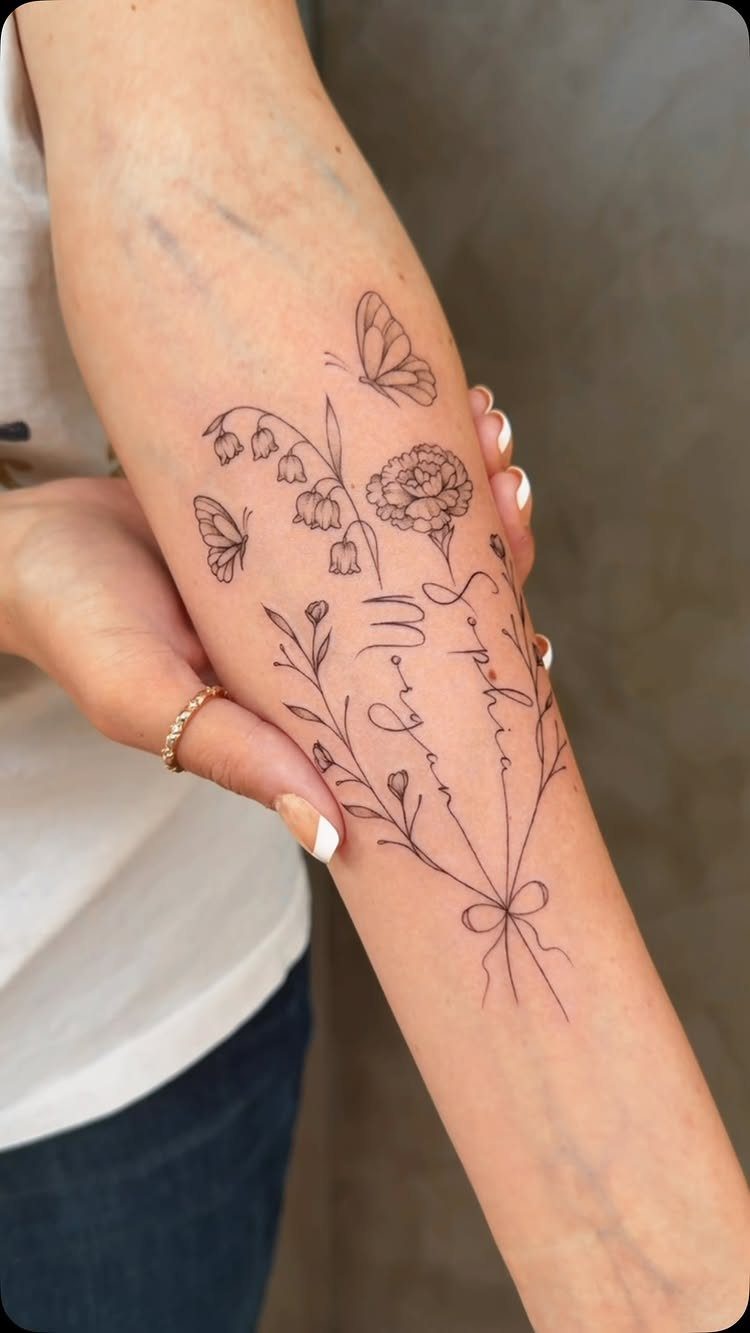
A fine line piece sits on the skin like a pencil drawing that stayed.
The needle gauge matters here: artists work with round liners or single needles, laying down black and grey ink in strokes thin enough to shrink the whole design without losing clarity.
That thinness also means less trauma to the skin, which usually translates to faster healing than you’d get from bold traditional work.
The subject can be almost anything: florals, script, small fauna. What unifies the category is the execution, not the image.
I like these for first-timers who want something discreet but not timid.
Slender lines soften or spread over years, so placement matters. Inner forearm or wrist, where sun and friction stay minimal, helps the work hold its edge.

Package: 50pcs mixed tattoo cartridge needles, includes 10pcs each of 1203RL, 1205RL, 1207RL, 1209RL, 1211RL.

ANTI-REFLUX MEMBRANE DESIGN – Engineered with a high-quality elastic band and integrated plastic membrane, these 1003RL cartridges effectively prevent ink backflow. This ensures a clean workflow by keeping ink out of your rotary pen tube, reducing cross-contamination risks and making cleanup significantly faster during intricate line work.

【50PCS Mixed Tattoo Cartridge Needles Set】Includes 50 individually packaged tattoo cartridge needles in popular configurations: 1203RL, 1205RL, 1207RL tattoo cartridges, 1209RL, 1205RS, 1207RS, 1207M1, 1215M1, 1209RM, 1215RM (5pcs each). Suitable for both lining and shading needles for tattooing.
2. Line Art Tattoos
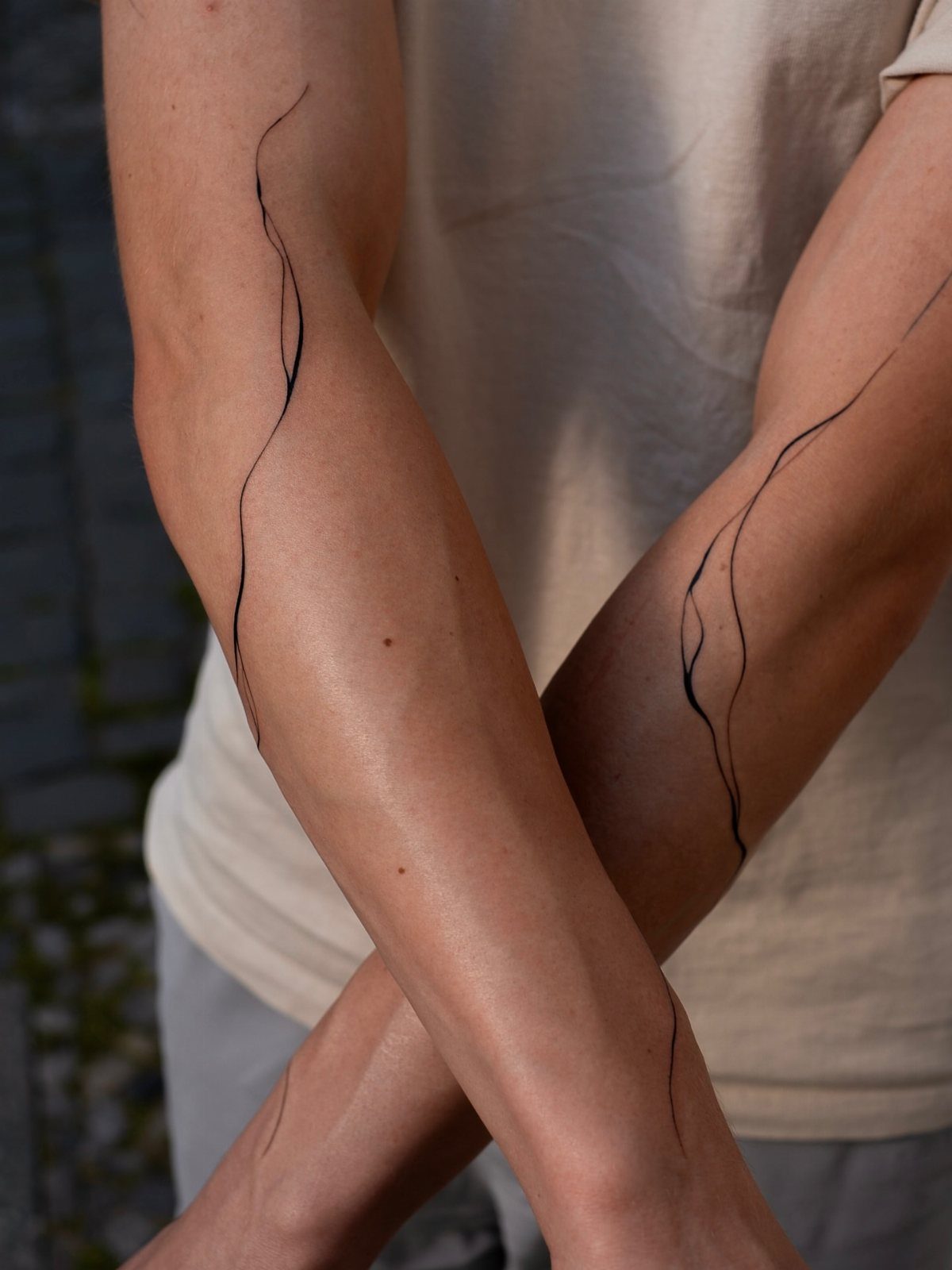
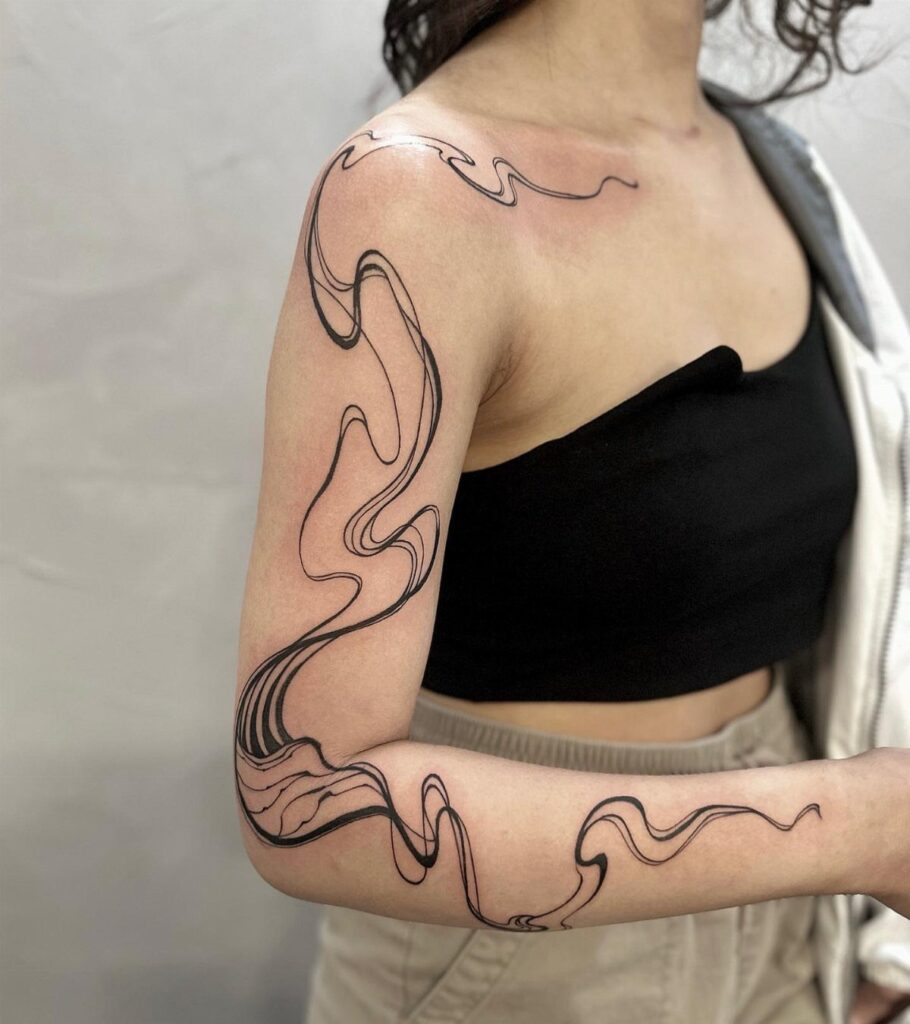
Clean black lines, one color, no shading: the restraint is the point.
These pieces read as deliberate gestures, almost like the artist’s hand movement itself became the subject. Abstract flowing marks work especially well here, carrying energy without needing to depict anything specific.
The monochromatic approach tends to sit lighter on the skin during the session, and the healing typically follows suit.
Geometric shapes, deconstructed forms, or simple symbols all fit; you can also layer in meaning through combination, a rose or animal rendered in this spare vocabulary.
What I’d check before committing is the artist’s line consistency. Wobbly or blown-out edges kill the effect instantly, and there’s nowhere for errors to hide.

Precision Transfers & Long Lasting: Tattoo stencil paper delivers vibrant, high-definition transfers even for intricate designs. Creates crisp, dark lines that transfer cleanly to skin (clearly on different skin tones) which are easy to follow during tattooing. The carbon layer made from high-quality dyes ensures sharp outlines without smudging or fading and maintains crisp lines visibility throughout long tattoo sessions, so you can focus on creating art instead of re-drawing lines


DESIGNED FOR ITP07 PRINTER: This 2-inch wide tattoo stencil paper roll is specifically designed for use with the MUNBYN ITP07 mini thermal printer.
3. Minimalism
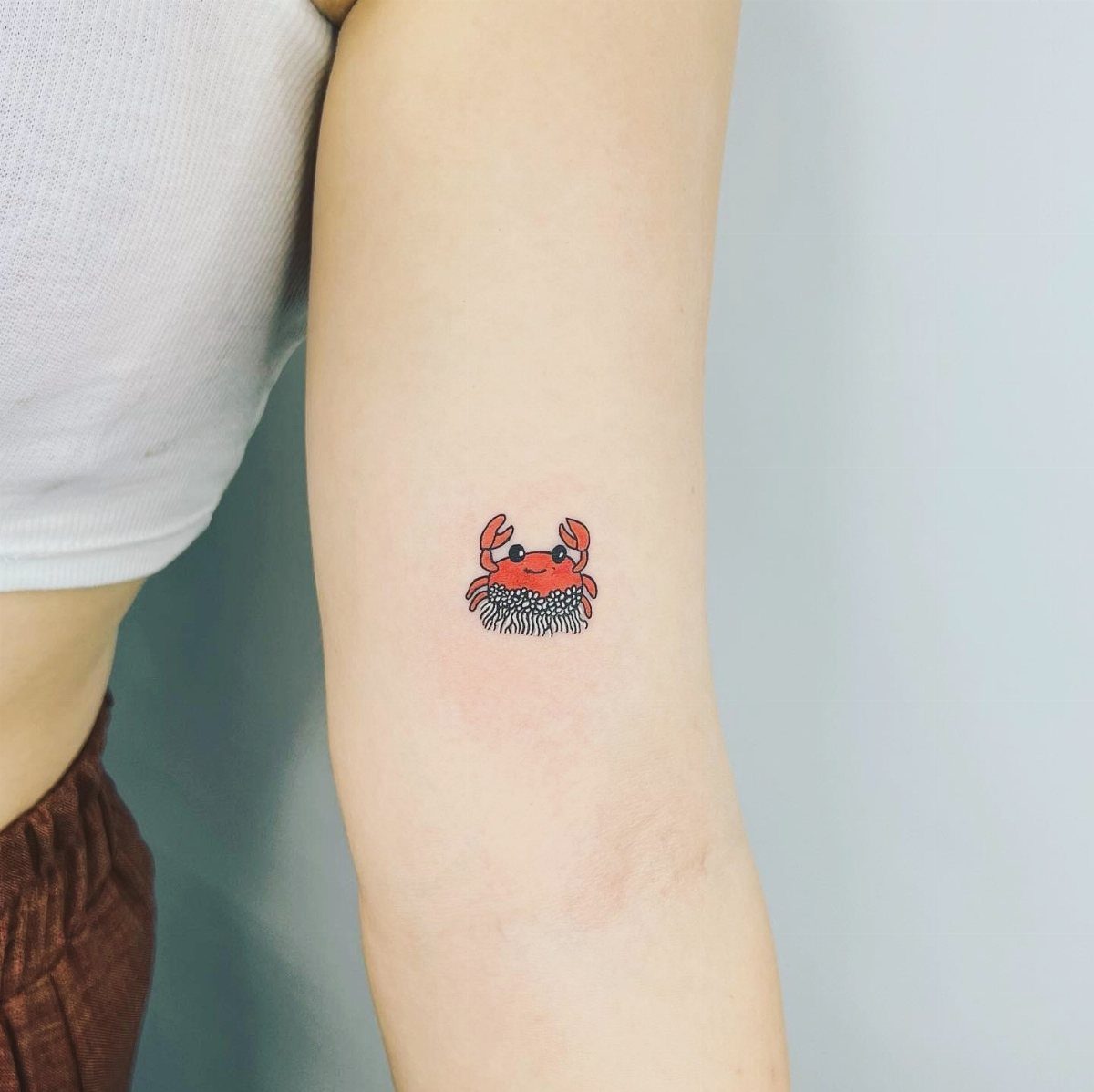
This style strips an image to what still reads at a glance: a crab, a flower, a zodiac mark, shrunk to inches and placed where it peeks rather than announces. The appeal is control over who sees and when.
Small scale and sparse ink mean shorter sessions and usually easier healing.
Common subjects run toward flora, fauna, and astrological imagery, simplified to their essential silhouette. The result sits on celebrity skin for the same reason it might suit yours: meaning without volume.
A single hue keeps a tiny piece from disappearing into skin tone; a red crab reads better than bare black on warmer complexions.
The risk is fading; minimal ink means less pigment fighting the sun, so sunscreen becomes part of the maintenance.


Mast Pro purple tattoo cartridges needles have been providing with high density clear plastic body.

Cartridge Needles Sizes: 20 pcs 1RL tattoo cartridge needles for lining. The needle edges are specially designed to catch more ink. Transparent body, high visibility. Great gifts for tattoo artist and beginners
4. Single Line Tattoos
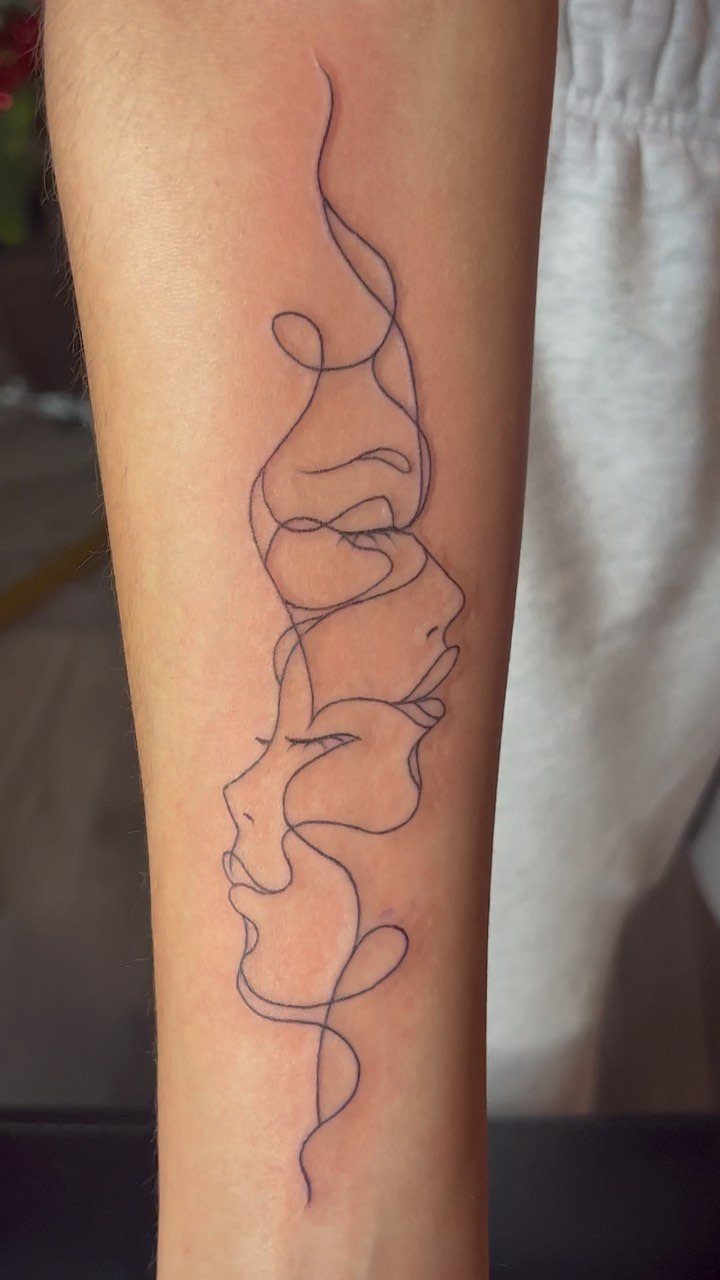
One continuous stroke, needle never lifted, the whole image held together by a thread of ink. Portraits, landscapes, overlapping faces: anything whose essence can survive this extreme economy of means.
The constraint forces both artist and viewer toward what actually matters in a likeness. A nose becomes a curve; an eye, a hook.
Done well, the result carries intentionality that busier work rarely achieves. Done poorly, it collapses into a scribble.
Placement on forearm or wrist suits the intimate, visible nature of the form.
I’d ask to see healed photos before booking; single-line work can age into indistinct loops if the line weight wasn’t calibrated right. The best practitioners understand pressure and speed the way a pianist understands touch.
Berlin-based tattoo artist Mo Ganji (previously here) makes a living out of testing that very possibility, and has become a master at bending and weaving single lines into strikingly coherent images.


Innovative Skin-Sync Technology: We don't just sit on the skin; we interact with it. By reacting organically with naturally occurring proteins in your skin's outermost layer (stratum corneum), our plant-based formula magically transforms from a transparent guide into a rich, ultra-realistic navy-black. It looks exactly like a healed, permanent tattoo—without the needles or depth.

MADE IN THE USA SINCE 1990: For over 30 years Dynamic Color has produced professional tattoo ink in the United States, an established American brand artists built their work on long before most imported labels existed.
5. Chicano Style
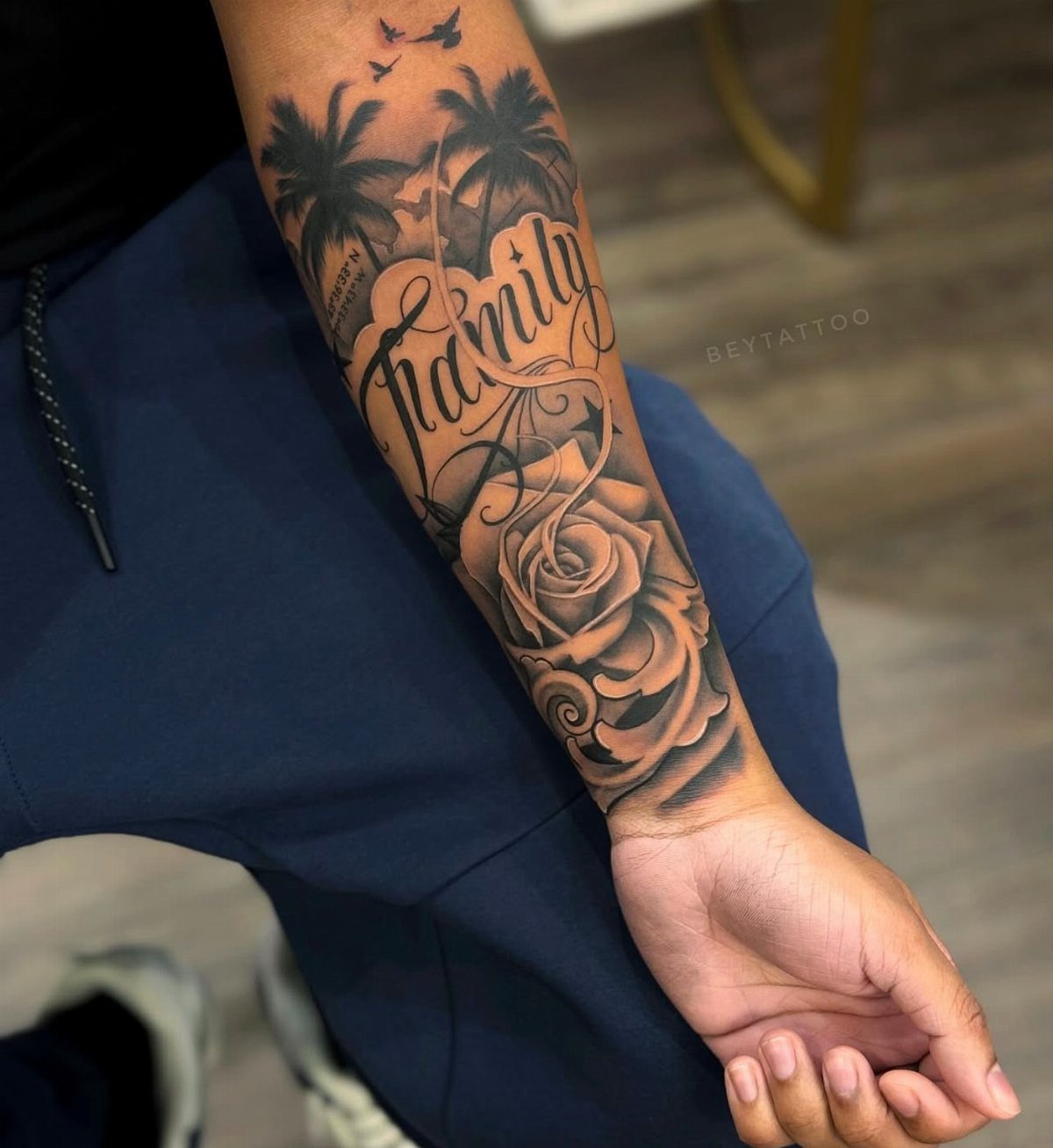
Black and grey, fine-needle execution, imagery rooted in Mexican-American culture: women, roses, palms, religious icon, script that spells family or memory. The single-needle technique links it to fine line work, but the mood and heritage are distinct.
This is not minimalism.
Pieces accumulate detail, tell stories, cover larger skin. The grey wash builds depth without color, creating a photographic softness that reads as classical rather than trendy.
What I’d watch for is an artist who understands the cultural weight, not just the visual vocabulary. The style carries history; borrowing the look without the context sits wrong.

★ Rotary machine with strong and stable power, suitable for both liner and shader.

ELECTRIC PRO DOT PEN MACHINE FOR TATTOO PRACTICE – Designed for flash art, dotwork, and stippling on paper – no ink mess or fake skin required

WIRED VOLTAGE FOR A MORE CONSISTENT PRACTICE SESSION: When you are learning, it helps to remove variables you may not yet know how to recognize. The Atom tattoo pen connects directly to the included adjustable power supply, providing steady voltage throughout your practice session. Some battery-powered pens may require more attention or adjustment as the battery level drops, while a wired setup helps keep the machine response more consistent from the first line to the last
6. One Line Portrait Tattoos
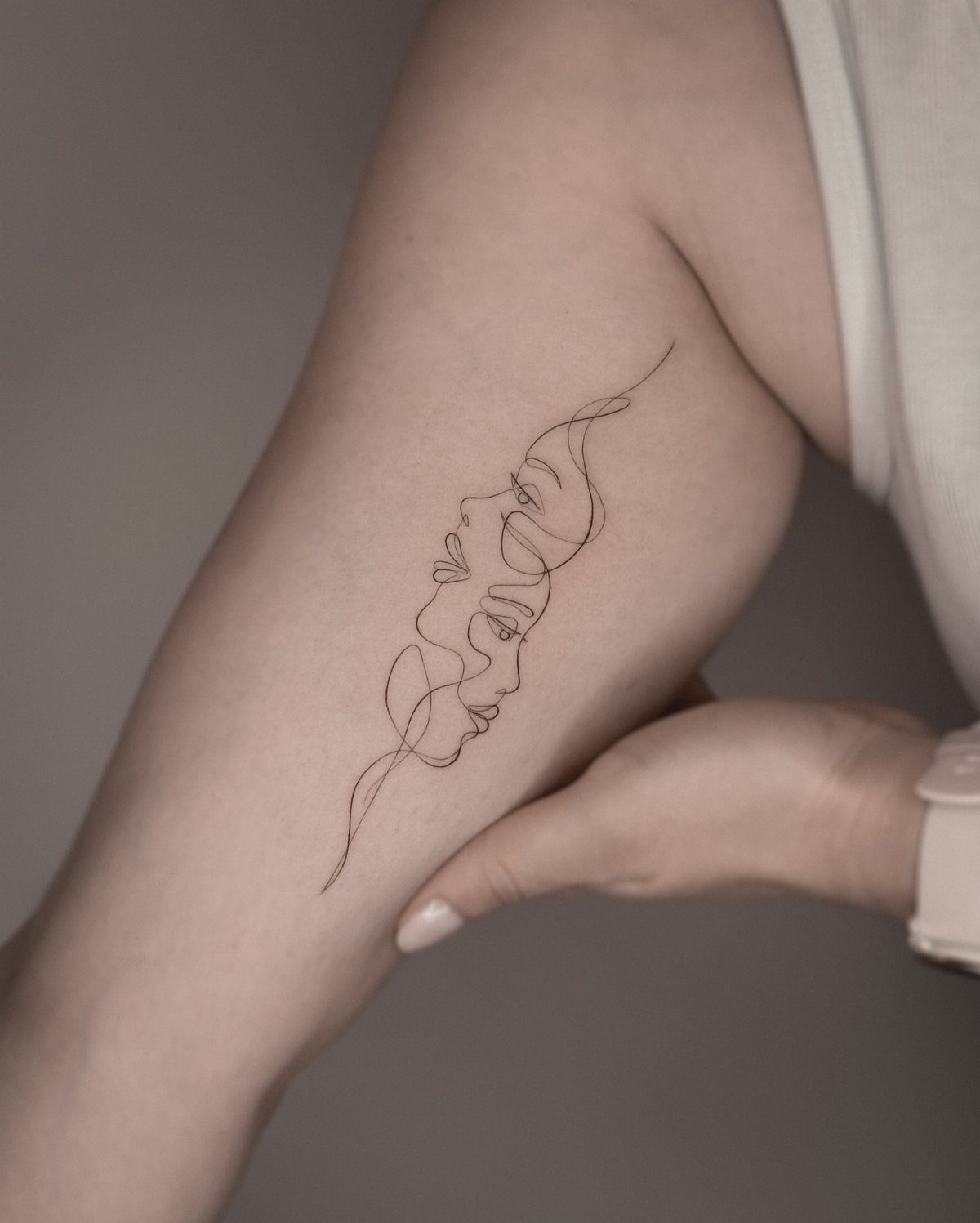
A face rendered in one unbroken line is among the hardest feats in tattooing.
The artist must capture likeness, expression, and structure without the corrections or layering that most portrait work allows. One waver and the whole composition betrays itself.
The skill required means these pieces are rare, and genuinely successful ones rarer still. When they work, though, the result has a fluid beauty that multi-line portraiture rarely matches: the subject seems to emerge from the act of drawing itself.
I’d travel for this, not settle.
Portfolio review should include multiple healed examples, not just fresh photos. The minimalist form means any imperfection amplifies; there’s no background to distract the eye.
Cost reflects the specialization, though no figures are standard. The commitment is to the artist’s specific hand, not to a style you can find in every city.

Dragonhawk Tattoo Needles: High-quality tattoo needles, manufactured under the trusted Dragonhawk brand, are perfect for all-purpose work. With a polished, long taper design, these needles ensure reliable performance and excellent control.
Mast Pro purple tattoo cartridges needles have been providing with high density clear plastic body.

Poseidon cartridge adopt a one-time joint design hygienic standard The material is stainless steel and easy to color,and has better ink flow
7. Geometric Landscape Line Art Tattoo
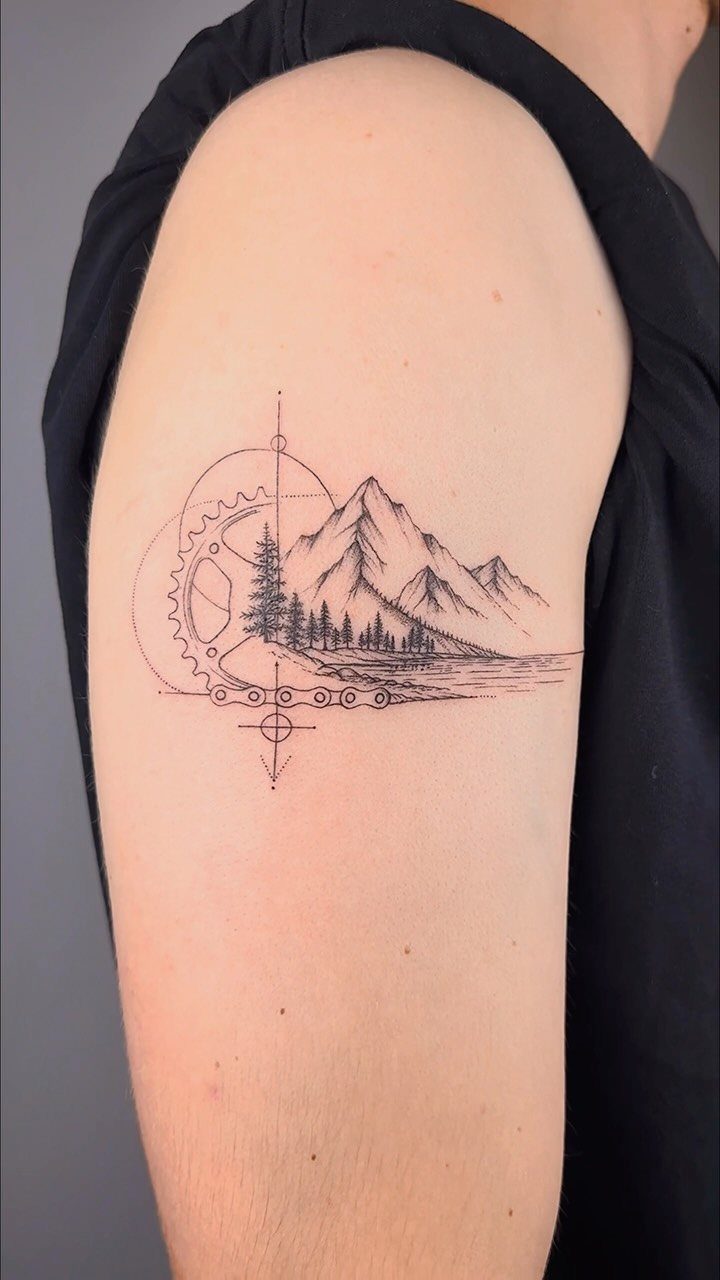
Mountains, water, and trees held inside geometric frames turn a landscape into a diagram of itself. A bicycle chain and gear can anchor the abstraction to something you actually ride, a commute you remember, a coast you covered.
The combination works because the geometry gives the eye a path while the organic lines keep it from feeling mechanical.
I’d ask the artist how they plan the overlap; ink sitting on ink in tight spaces can blur over time. Upper arm placement keeps it visible without the wear that inner arm skin takes.

🔍 Precision Industry-Standard Transfer - Engineered 4-ply stencil paper (8.25"x11.75") with high-density dyes delivers defined lines for intricate tattoo stencils. Compatible with major thermal printers for reliable tattoo transfer paper workflows.

Enhanced Clarity: Obtain clear and accurate transfer patterns, thanks to the high transparency of this film, making it easy to observe and replicate designs accurately.
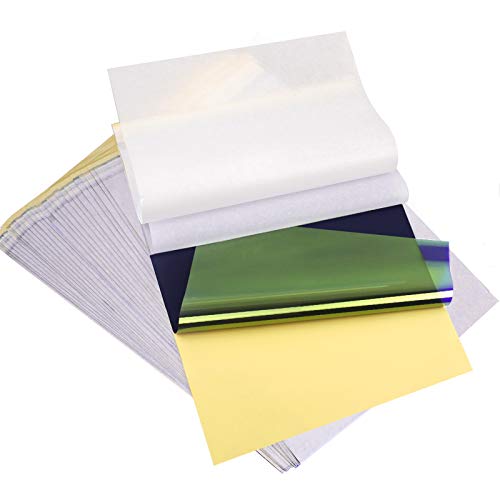
ADVANCED MATERIAL: Tattoo transfer paper is made with the high quality dyes and stencil paper. Transfer marks are very clear, clean and smooth. Tattoo transfer paper kit come with 35 sheets. Great for tattooing, trace and transfer images onto the body.<br>
8. Illustrative Fox Line Art Tattoo
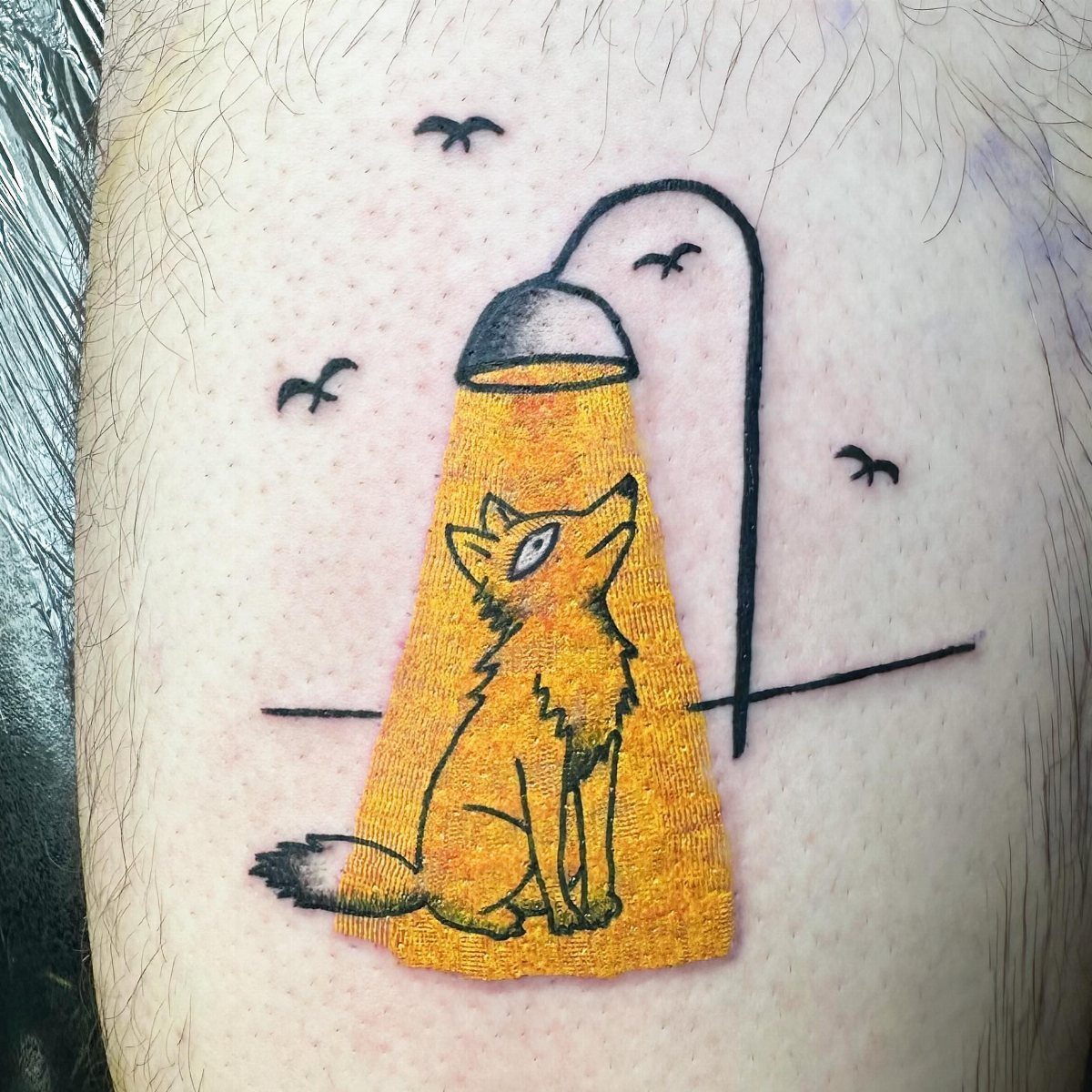
A fox under lamplight with birds overhead reads like a single frame from a storybook, and that is exactly what illustrative line art does best.
The yellow ink on the lamp adds warmth without breaking the spare vocabulary of black line; it is a detail that rewards a second look.
Stippling and cross-hatching, borrowed from pen-and-ink illustration, let the artist build texture where solid fill would feel heavy.
I’d want to see how the yellow ages; lighter pigments fade faster than black, and the lamp might need a touch-up to keep its glow. The small scale keeps session time manageable.
Package: 20pcs tattoo cartridge needles; Wormhole Tattoo Needles are individually packed, and for disposable use only

PRECISION DESIGN: 1RL round liner single needle cartridge designed for fine line work, ideal for detailed tattoo applications in eyebrows, lips, and hair scalp pigmentation
【20PCS 3RL Tattoo Cartridges】 Includes 20 cartridges in one consistent 1203RL configuration. This dedicated pack of 1203RL tattoo cartridges is a practical choice for artists searching for 1203RL tattoo cartridges or related options for 3RL tattoo cartridge needles, without the need to sort mixed configurations
9. Celestial Line Art Tattoo
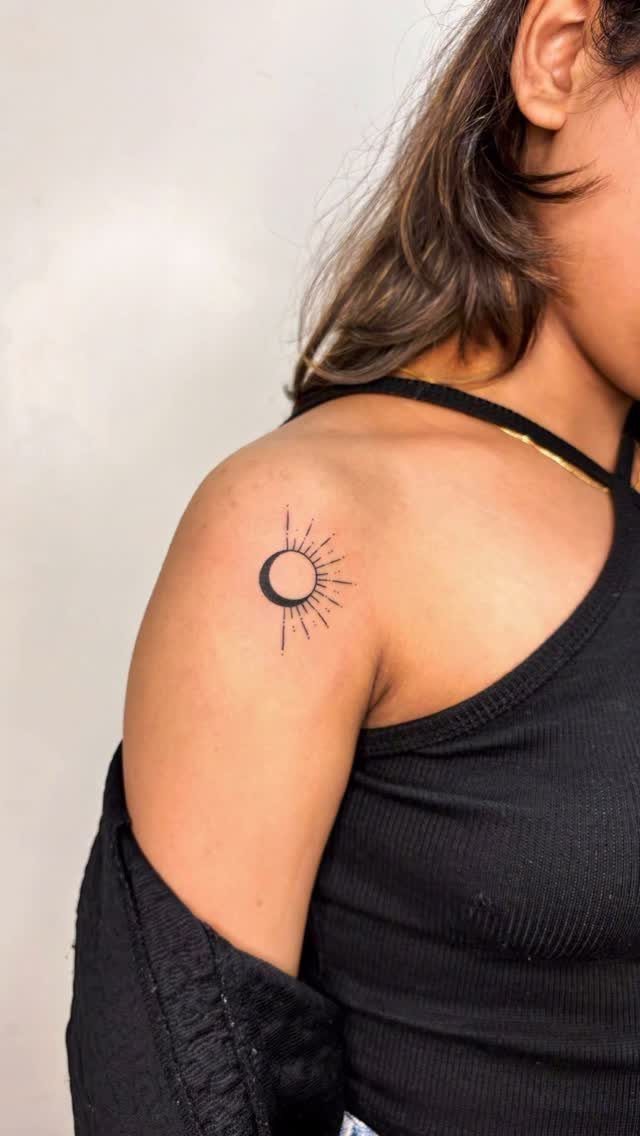
A crescent moon with radiating lines sits small enough to hide or show at will, which is the practical appeal of celestial imagery in line art.
Sun and moon together carry obvious symbolism: cycles, balance, the pull between 2 forces. The meaning is there if you want it, absent if you do not.
Shoulder placement catches light and shadow through the day, so the lines read differently in morning and evening.
I’d check that the radiating beams are spaced wide enough; tight parallel lines can merge into a solid shape as the skin shifts and settles. Single-needle work keeps the beams delicate without risking a blowout.

MADE IN THE USA SINCE 1990: For over 30 years Dynamic Color has produced professional tattoo ink in the United States, an established American brand artists built their work on long before most imported labels existed.

MADE IN THE USA SINCE 1990: For over 30 years Dynamic Color has produced professional tattoo ink in the United States, an established American brand artists built their work on long before most imported labels existed.

100% authentic makeup tattoo ink from Charme Princesse, new pigment for microblading, permanent makeup and tattoo
Frequently Asked Questions
What is the tattoo style called with lines?
Line art tattoos, or simply line tattoos, are the style built entirely from clean black lines without color fill or shading.
The category includes fine line work with thin strokes, single continuous-line pieces, and illustrative approaches that borrow stippling or cross-hatching from pen-and-ink drawing. What ties them together is that the line itself carries the whole design.
What is line art in tattoos?
Line art tattoos are designs executed in one ink color, usually black, with no shading or color blocks to hide behind.
The artist builds the image from nothing but contour and stroke, so wobbly or blown-out edges ruin the effect immediately. Healing tends to be lighter and faster than with heavy traditional work because less ink enters the skin.
What are the different styles of line art?
The main branches are fine line, with thin black-and-grey strokes that sit like pencil drawings; pure line art, which uses clean black contours and no shading; single line, where the needle never lifts; and illustrative line art, which adds techniques like stippling or cross-hatching for texture.
At the far end, minimalism and one-line portraiture boil a subject down to the fewest marks that still register instantly from across a room. Each demands different needle setups and pressure control from the artist.