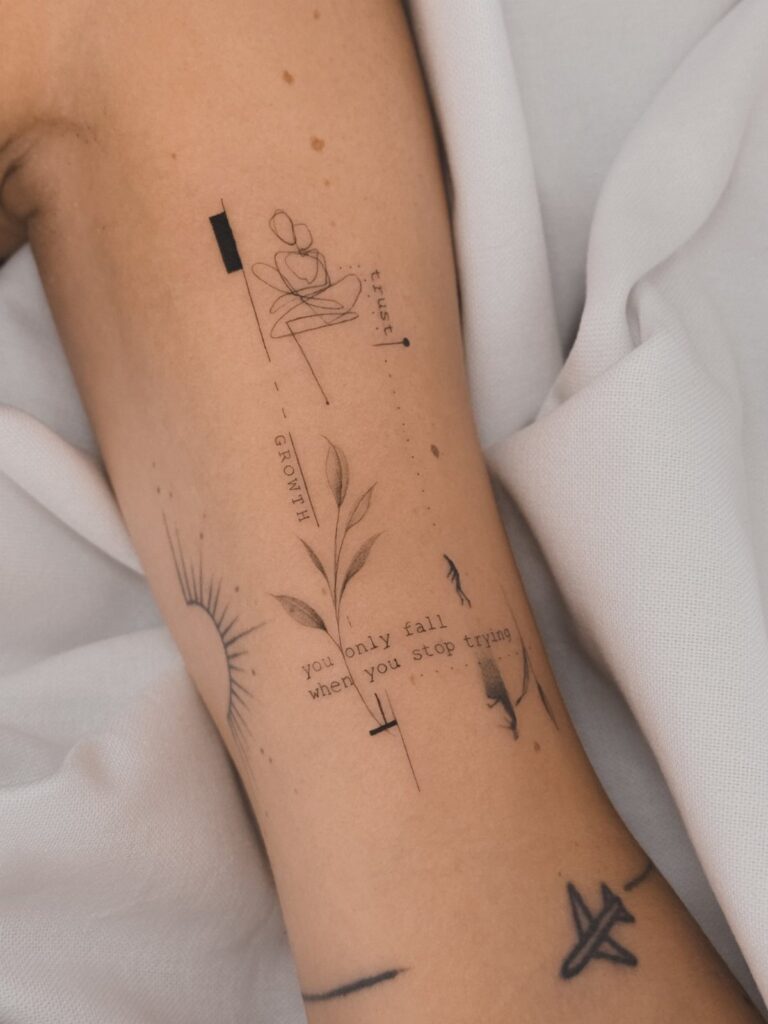
Fine line tattoo ideas for women run from a single-session minimalist heart to ankle-to-calf sun and moon wraps that test endurance in the chair.
What decides which design is yours is whether you want the piece to stay readable for 6–8 years with basic sun protection, or whether you are prepared to budget for touchups every 3–4 years if you choose a simple red sun or softer shading.
Black lines hold crispness longest; SPF 50 or higher starts the moment healing finishes, not just for beach days.
1. Fine Line Butterfly Tattoo
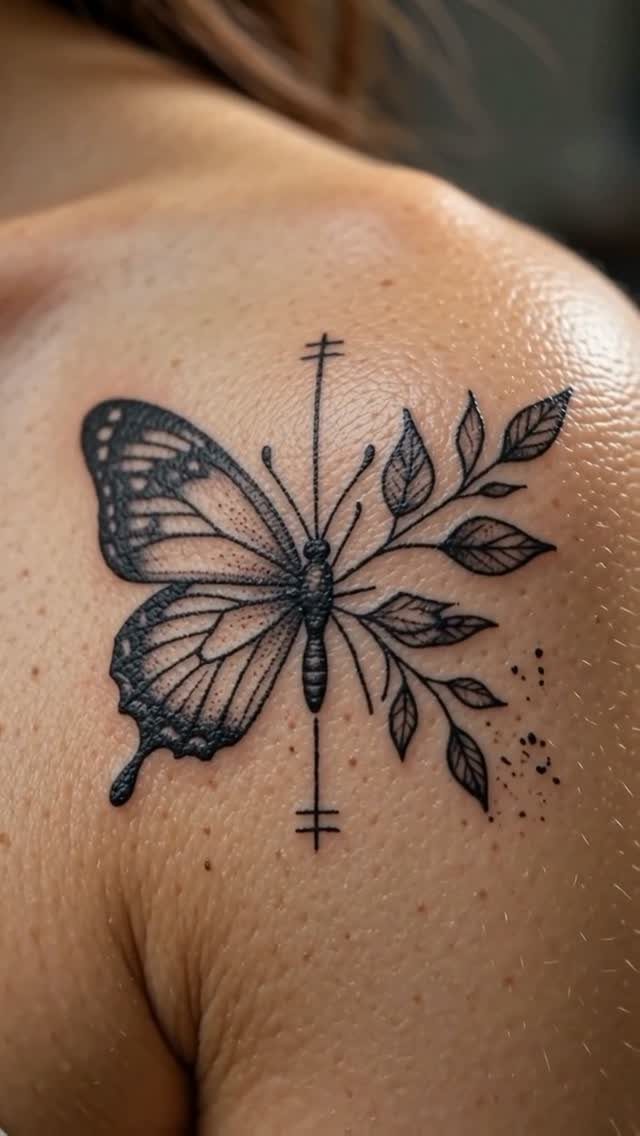
A butterfly split with leafy branches carries two meanings in one piece: the wing side shows transformation, the branch side grounds it in growth.
Fine line work keeps both readable at small sizes, which matters since shoulder blade tattoos age with sun exposure.
Wing patterns vary enormously.
Some artists draw monarch veining; others abstract it into geometric shapes. Ask to see healed photos before you commit; fine line detail can blur into a soft smudge once the skin settles if the spacing is too tight.
3MM Tiny Tattoo Practice skin Made from high-quality materials, it is closely mimic the texture and feel of real human skin. This gives you a realistic experience, allowing you to refine your skills before working on actual clients


Premium Quality 1.5mm Silicone Material – Crafted from premium 1.5mm thick silicone, this tattoo skin offers a true-to-life feel with excellent durability and a smooth surface for effortless needle movement during practice.
2. Simple Sun and Moon Fine Line Tattoo
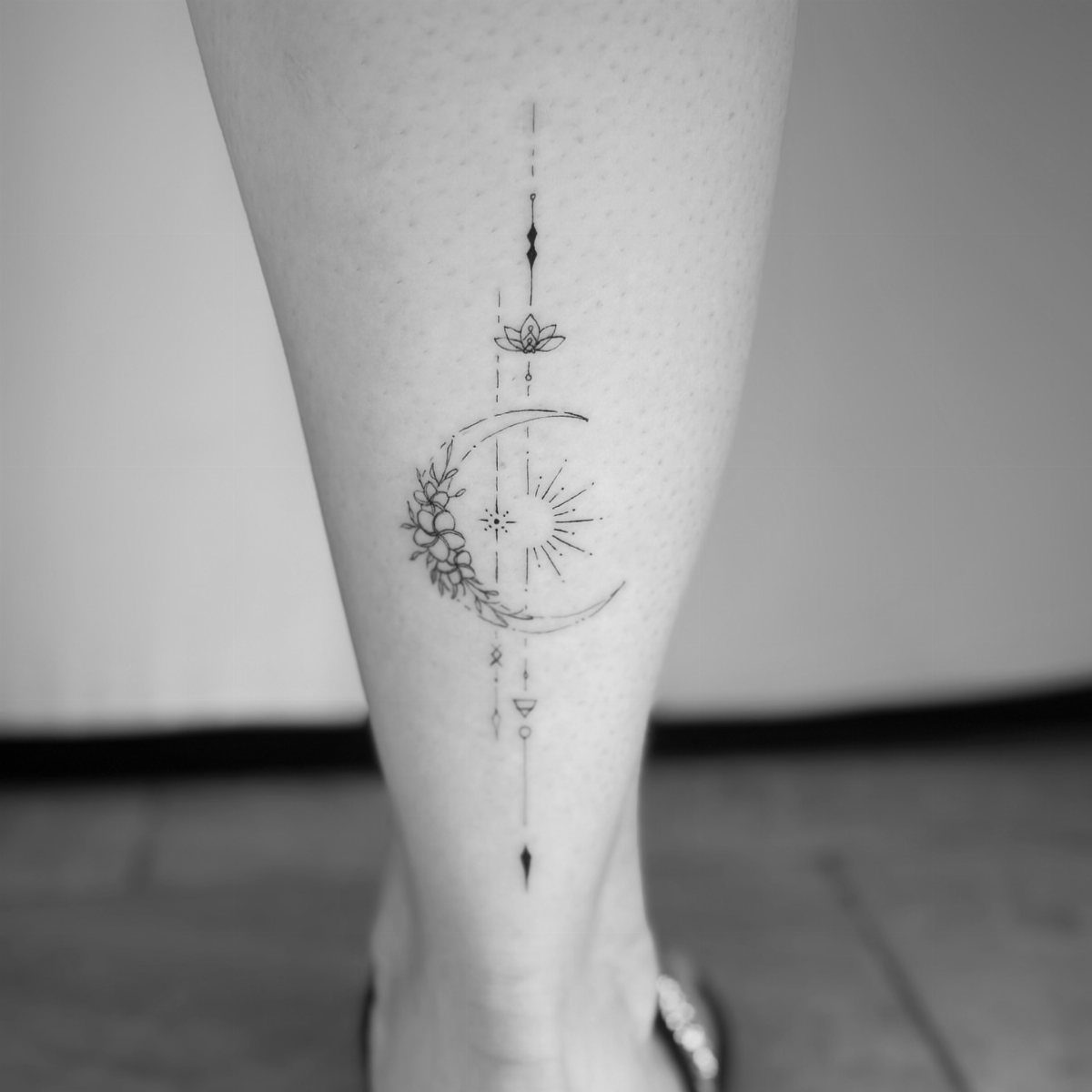
Sun and moon pairings read as balance without needing explanation, which is why they work for first tattoos.
The visible version wraps ankle to calf with a crescent, sunburst, lotus and geometric accents; that much detail in one flowing piece needs a specialist in continuous line work.
Placement changes the pain noticeably.
Ankle bone and Achilles area sting more than the outer calf. If you want faster healing, ask whether your artist offers hand-poked application; the technique is less invasive and often heals quicker, though it takes longer to sit through.

CELESTIAL SUN AND MOON ART: Features a beautiful symbolic pairing of the cosmos across two independent sheets: one showcasing a radiant, flaming sunburst and the other depicting an ornate bohemian crescent moon flanked by geometric lines. This mystical motif is crafted using a digital hand-drawn fine line tattoo ensures crisp lines to keep the delicate starburst sparkles, fine dots, and long vertical alignment lines perfectly sharp and elegant.

【Sun & Moon Fine Line Tattoo Design】This fine-line Sun & Moon semi permanent tattoo set celebrates balance, duality, and harmony—light and dark, strength and calm. The clean minimalist design feels modern yet symbolic, making it perfect for those who appreciate celestial themes and want a meaningful reminder of balance and wholeness in everyday life.

💕【200+ PCS 20 Sheets Mixed Style】--VANTATY Lovely Cute Black Temporary Tattoos For Women Men Adults Body Art Stickers Look Real! Tiny Infinity Geometric Arrow Smile Face Flowers Crescent Moon Sun Stars Temporary Tattoos For Hands Fingers, Realistic Small Butterfly Love Heart Mountain Birds Feather Snake Cat Dog Tattoos For Ear Neck Arm Hands Temp Tatoos Decals.【Click Our Store/brand Name To See More Fashion Designs】
3. Detailed Floral Fine Line Tattoo
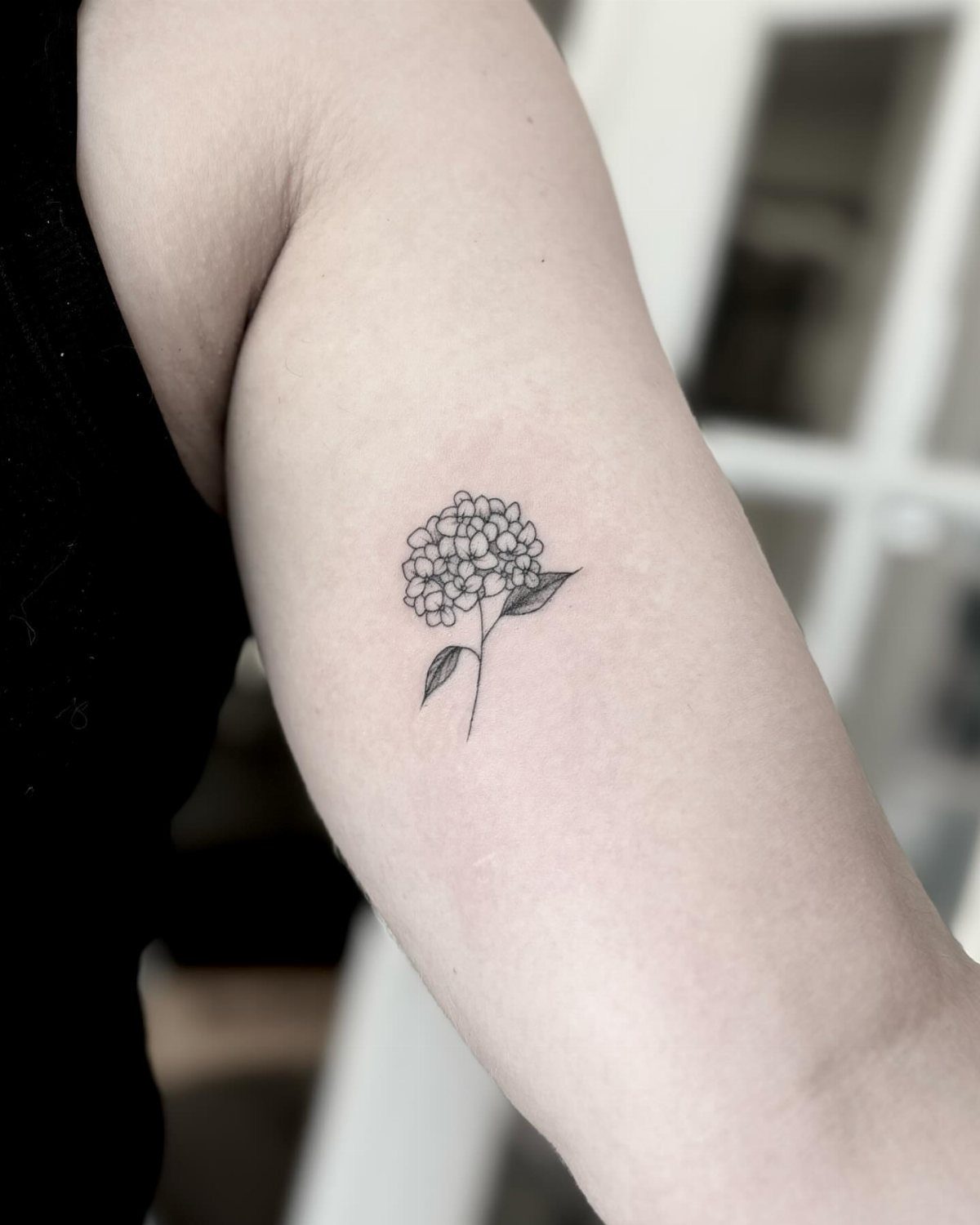
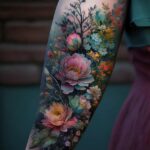
Fine line florals used to mean black ink only. Color has changed that.
Shaded hydrangea leaves carry their own tension, the fine lines holding quiet weight on one stem. That balance is the point of the design, not just the flower choice.
Color saturation in fine line needs a lighter touch than traditional work.
Too heavy and the lines feather; too light and it fades in months. Ask your artist how they build color in layers, and whether they have healed photos of similar pieces from last year and the year before.
“Fine-line tattoos are daintier and less bold than a regular tattoo,” says tattoo consultant Tann Parker.

🐤【15 Sheets in One Package】Distinctive Design Brand FANRUI Temporary Tattoos For Women Girls Adults Teens Lovers Teens Daughter Son Children Tattoo Paper 3D DIY Custom Tatoos Cover Body Art Drawings Painting Branch Tiny lavender Realistic floral bouquet hot trendy Tattoo Flowers Blossom Sets.

A set filled with delicate, whimsical florals. Express your inner flower child and adorn yourself in our timeless florals.

🌷 Beautiful Hand-drawn Flower Tattoos - Roses, Daisies, Poppies, Tulips, Lavender, Wildflowers Black and White Illustrative and Fine Line Styles
4. Lotus and Elephant Fine Line Tattoo
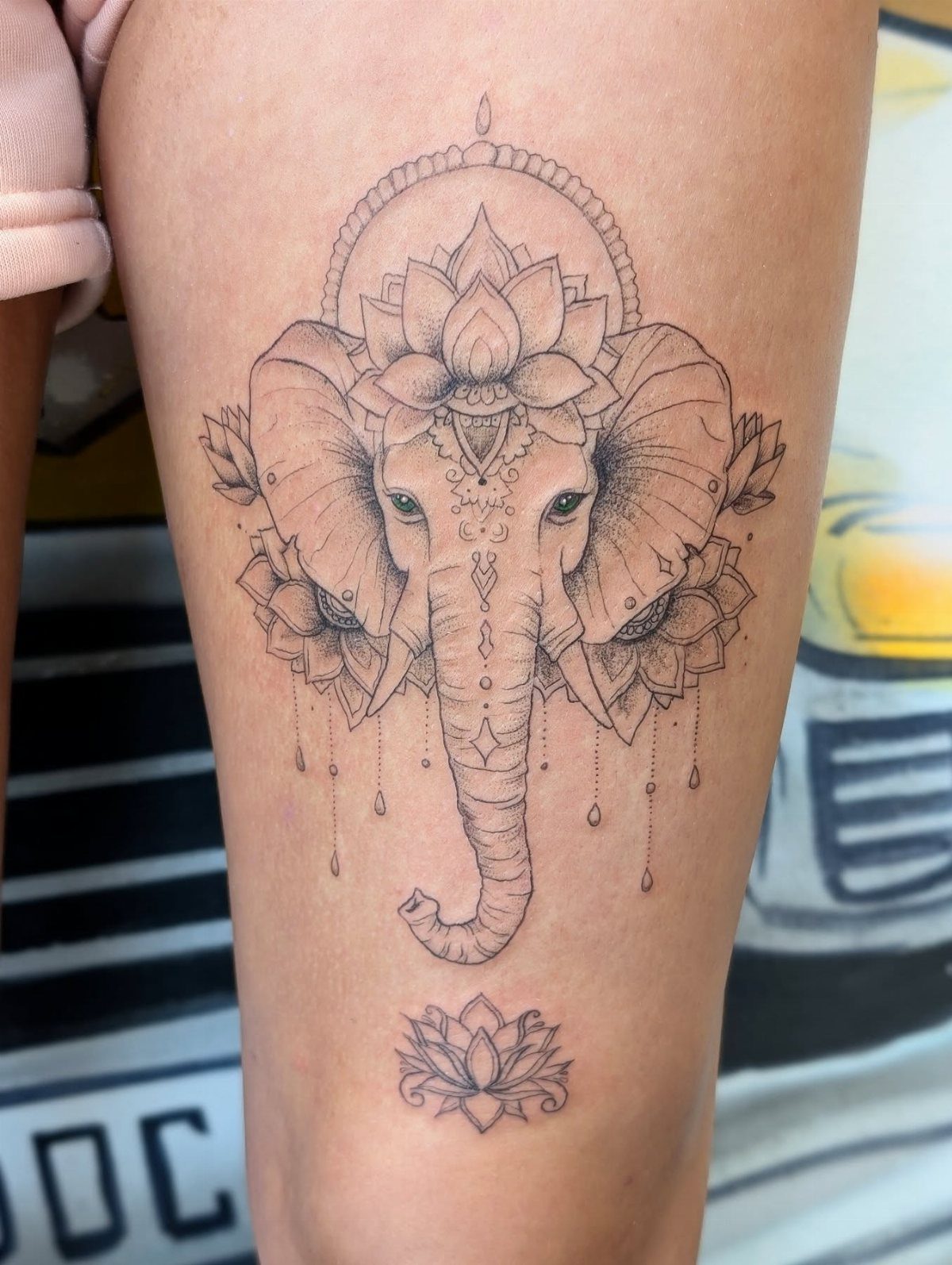
Elephant and lotus together stack 3 symbols: wisdom from the elephant, purity from the lotus, and the unalome path to enlightenment in the dotwork between. That density of meaning suits someone who wants a tattoo to revisit and reread.
The visible piece sits high on the thigh, which carries less daily sun than forearm or collarbone.
Thigh skin also shifts less with weight change than abdomen or upper arm. If you want this visible in summer, place it where shorts hems will not slice the image in half.

【Elegant Feminine Lotus Design】This fine-line lotus set is designed to enhance the natural beauty of your body. Soft, balanced lines create a feminine and intimate look that feels symbolic and graceful. Ideal for subtle yet meaningful self-expression, these tattoos offer quiet confidence and beauty.

🐙32 Sheets 89+ PCS Unique Tribal Black Temporary Tattoos:🐠 There Are 32 Sheets With 8 Large Half Arm Sleeve Temporary Tattoos For Women Adults 21x15cm 8.2"x5.9" And 24 Sheets Small Temporary Tattoos For Girls Kids 10.5x6cm 4.1"x2.3" Including Various Popular Gothic Designs 3D Animal Snake Lace Elephant Cross Boho Bohemia Moon Crown Owl Lion Wolf Tribal Tiger Tatoos Skull Skeleton Dreamcatcher Dream Catcher Turtle Lotus Mandala Flower Feather Fake Jewelry Tattos Design.

【Spiritual Lotus & Moon Designs】This semi-permanent tattoo set features minimalist fine-line designs inspired by lotus flowers, crescent moons, flowing vines, and subtle star accents. Symbolizing renewal, inner balance, and feminine energy, these delicate elements blend Eastern spirituality with modern aesthetics. Perfect for minimalist lovers, yoga and meditation enthusiasts, and those drawn to spiritual, calming, and quiet strength with effortless style.
5. Leaves Fine Line Tattoo
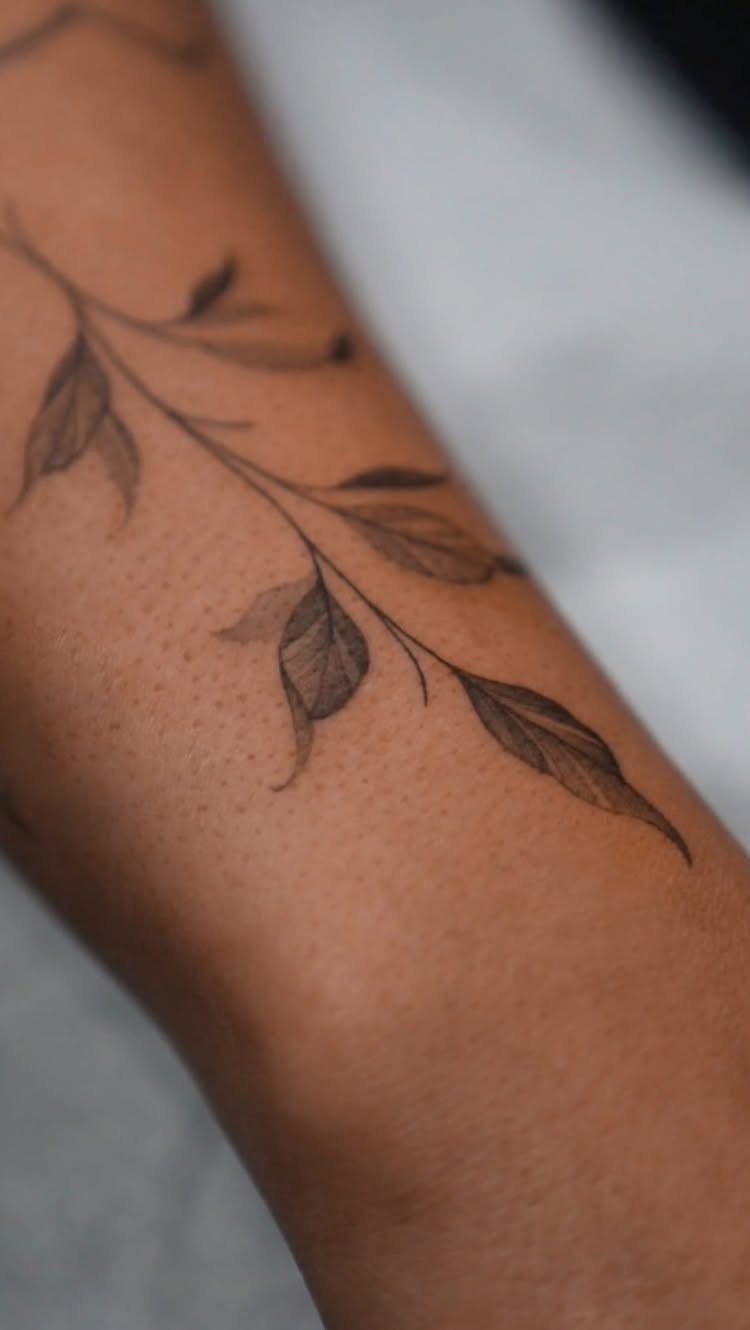
A single leafy branch adapts to almost any body curve, which is why artists keep returning to it. Running along the outer arm follows the muscle line rather than fighting it.
Before you book, decide whether you want the leaves to read as ornamental or meaningful.
Same design either way, but the conversation with your artist changes: ornamental means asking about negative space and flow; meaningful means choosing a leaf type that carries the right association for you. Maple, olive, and fern all say different things.

COMPLETE AFTERCARE KIT FOR NEW & EXISTING TATTOOS: This Tattoo Aftercare Kit brings together 3 essentials, Antimicrobial Soap, Tattoo Balm, and Tattoo Lotion, to help cleanse, protect, and moisturize fresh ink. Useful after tattoo sessions and throughout healing, it supports vibrant color and skin comfort for dedicated ink enthusiasts and artists
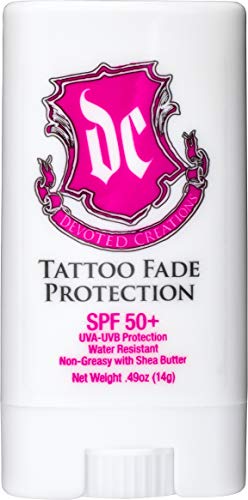
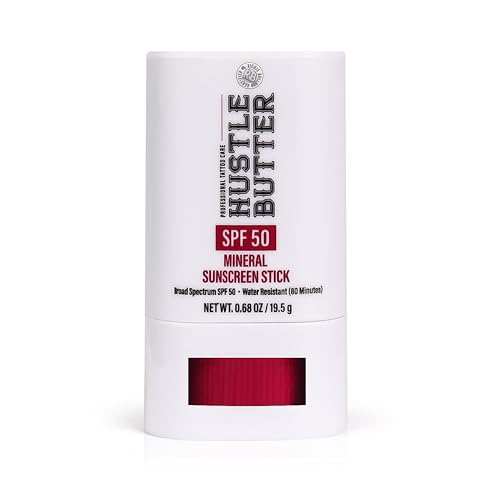
Tattoo Sun Protection, SPF 50: Our tattoo sunscreen stick provides broad-spectrum UVA/UVB coverage, preventing sun damage and fading, keeping tattoo ink vibrant and sharp.
6. Minimalist Heart Tattoo
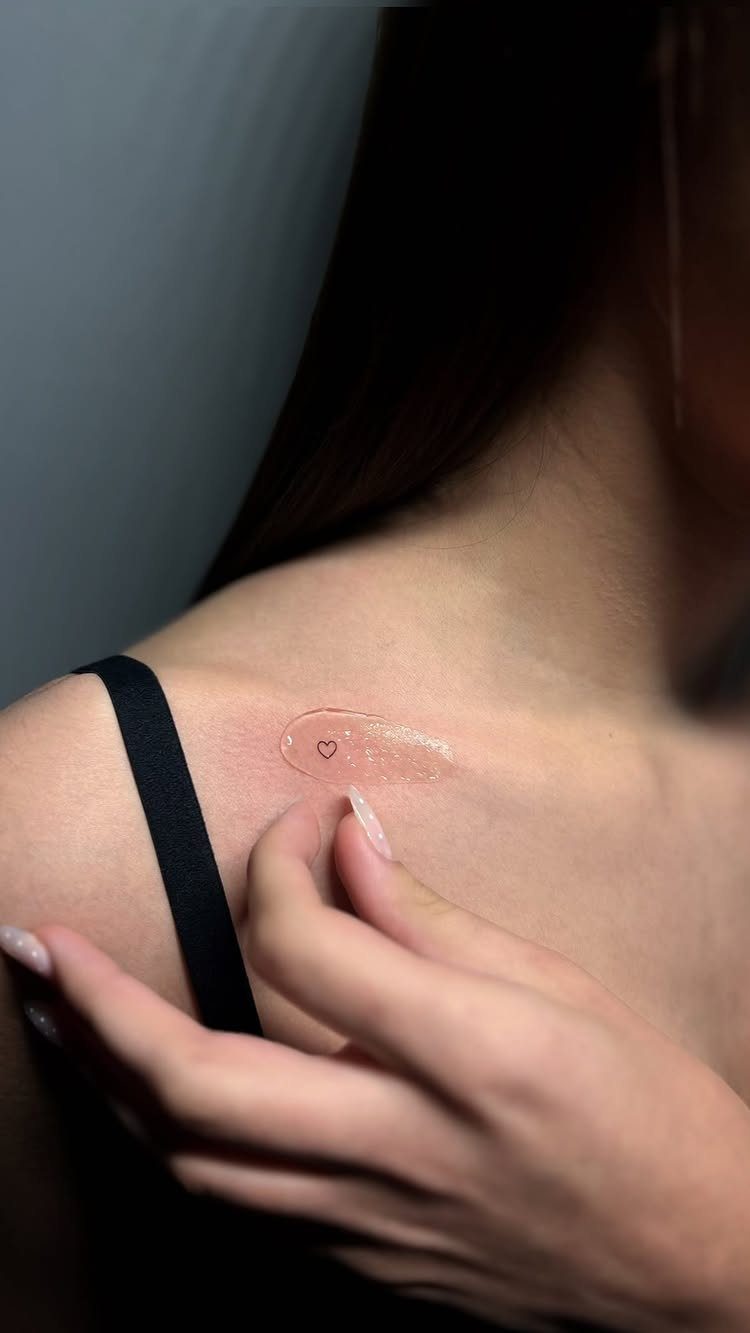
A heart outline this small lives or dies by placement.
A collarbone spot lets you hide it under a crewneck or frame it with a wide neckline. Rib cage and behind the ear do the same job of controlled visibility.
Fresh tattoos carry that ointment sheen; wait for the skin to settle before you judge the final look. Healing a fine line heart means keeping ointment thin; too thick and the skin cannot breathe, which pushes ink out.
Once the peeling stops and the surface looks calm, switch to unscented lotion. The line will settle lighter than it looks on day one, so do not panic at initial darkness.

Premium Quality 1.5mm Silicone Material – Crafted from premium 1.5mm thick silicone, this tattoo skin offers a true-to-life feel with excellent durability and a smooth surface for effortless needle movement during practice.

Premium Quality 1.5mm Silicone Material – Crafted from premium 1.5mm thick silicone, this tattoo skin offers a true-to-life feel with excellent durability and a smooth surface for effortless needle movement during practice.

Premium Quality 1.5mm Silicone Material – Crafted from premium 1.5mm thick silicone, this tattoo skin offers a true-to-life feel with excellent durability and a smooth surface for effortless needle movement during practice.
7. Fine Line Bird Tattoo
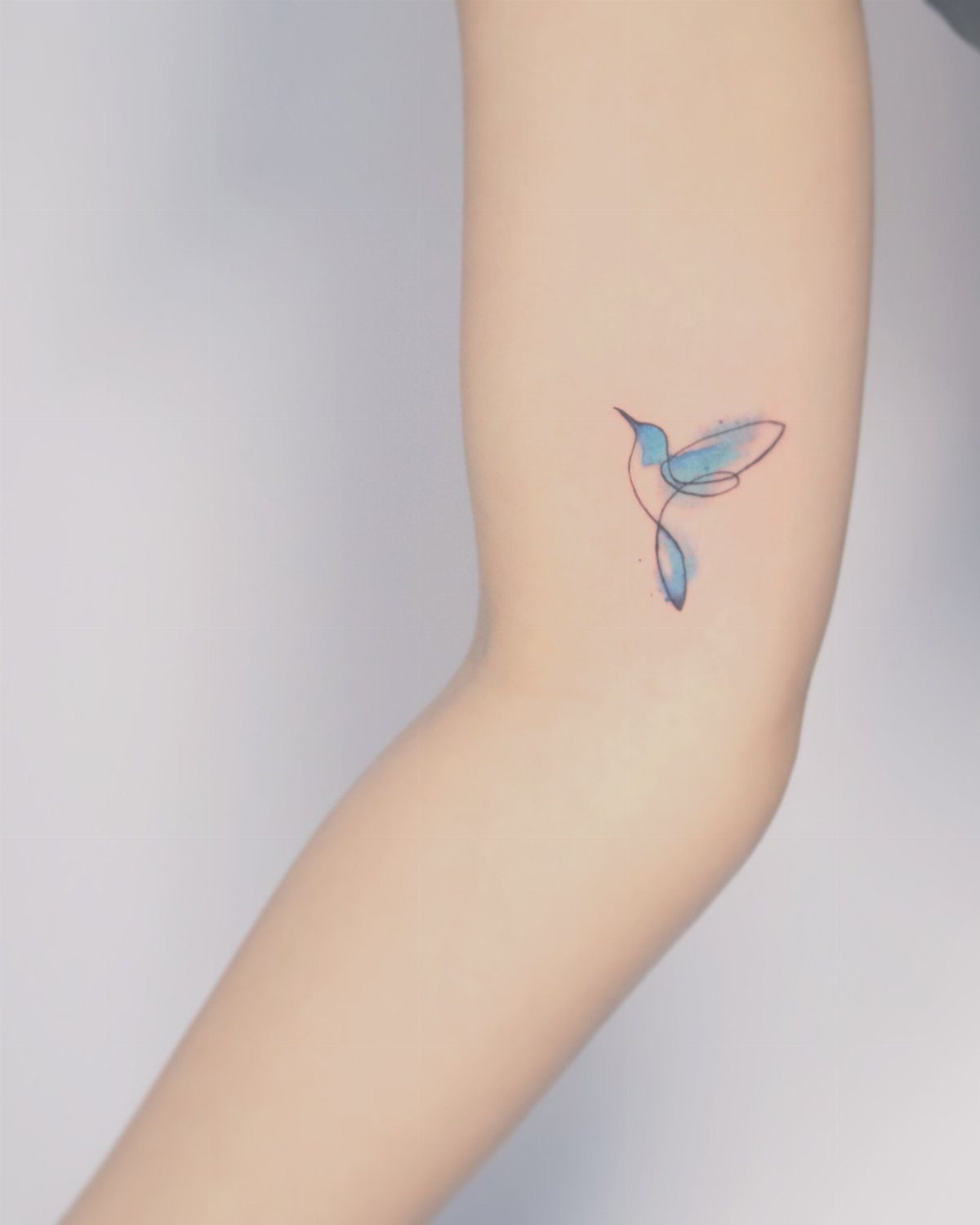
Hummingbirds work at this scale because the body is basically one flowing shape; wings read as motion even in still ink.
Blue and pink watercolor accents sit inside the lines rather than replacing them, which keeps the tattoo readable as it ages.
Wrist and finger placements heal differently.
Wrist skin moves constantly, so fine lines there blur faster than on the upper arm where the photo sits. Fingers shed ink so reliably that many artists refuse them outright; if you insist, budget for regular touchups.
Single-line versions strip the bird to its silhouette. Ask your artist which style they prefer to heal; some specialize in continuous line work and will steer you toward what holds.

★【18 Sheets 200+ PCS Small Finger Temporary Tattoos For Women Men Adults】--COKTAK Brand Mixed Style Black Small Temporary Tattoos For Men Women Adults Hot Fashion Variety Y2K Tiny Geometric Arrow Lotus Rose Flowers Leaf Leaves Sun Crescent Moon Butterfly Words Letters Finger Tattoo Stickers In One Package.

MINIMALIST CELESTIAL ELEMENTS: Features a delicate collection of radiant sunbursts, crescent moons, and sparkling North Stars. The artwork is crafted using a digital hand-drawn fine line tattoo technique, delivering crisp geometric contours, micro-sparkle accents, and timeless bohemian aesthetic charm.

【62 SHEETS/LOT】- 62 sheets temporary tattoos, mountain temporary tattoos stickers size 4.1*2.4 inch (10.5*6cm), used for arms, shoulders, back, legs and any other part of your body. Semi permanents tattoo also can apply them to some smooth objects, for example, glass, cup, stationery, plastic, phone case, car etc
8. Simple Red Fine Line Sun Tattoo
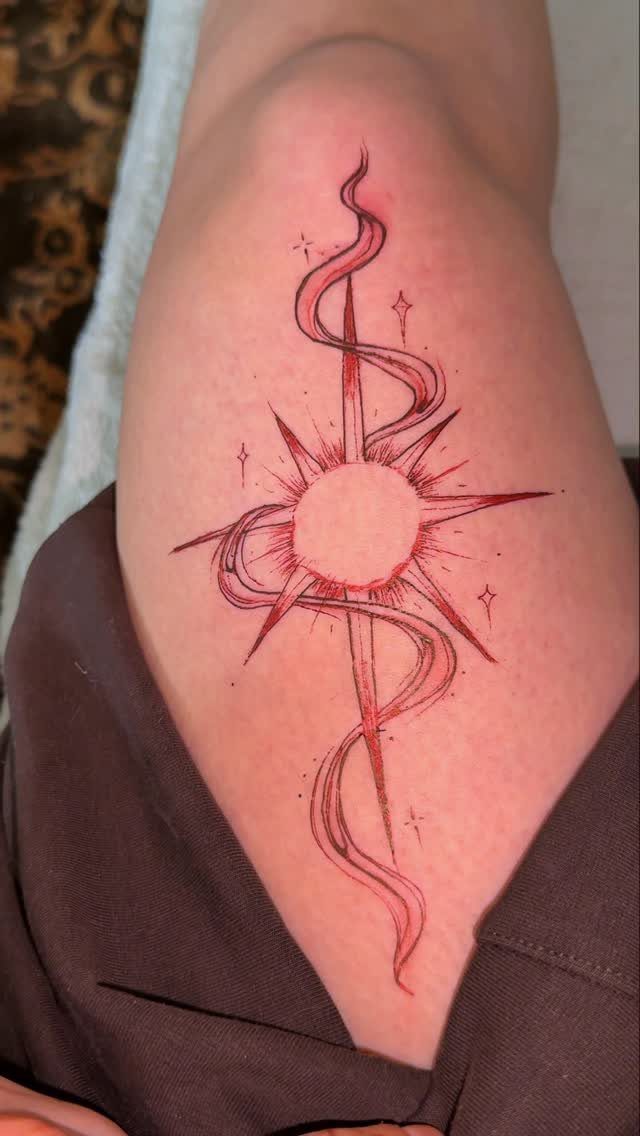
Red ink carries a reputation for fading faster than black, which is worth knowing before you commit to a sun design.
The visible piece uses red for the full shape, not just as accent, so the whole tattoo will soften rather than leaving gray outlines behind.
Wavy ribbon lines and sparkle accents add movement without adding weight.
That matters on a knee, where the skin stretches and compresses with every step. A simpler sun would distort more noticeably; these flowing lines absorb the motion.
Hand-poked application is an option here if you want faster healing. Ask specifically for healed photos of red hand-poked pieces; red saturation behaves differently by technique.

⚡Awesome Realistic Black Fake Tattoos for Adult Women -- Super stylish design temporary tattoos, set includes variety of elements(line,flower,word..) that you can use for different locations on your backbone, leg, arms, chest, etc. Easy to share it with your family and friends.

Innovative Skin-Sync Technology: We don't just sit on the skin; we interact with it. By reacting organically with naturally occurring proteins in your skin's outermost layer (stratum corneum), our plant-based formula magically transforms from a transparent guide into a rich, ultra-realistic navy-black. It looks exactly like a healed, permanent tattoo—without the needles or depth.

🌻 Beautiful Hand-drawn Flower Tattoos - Roses, Daisies, Poppies, Tulips, Lavender, Wildflowers Black and White Illustrative and Fine Line Styles
9. Fine Line Script Tattoo
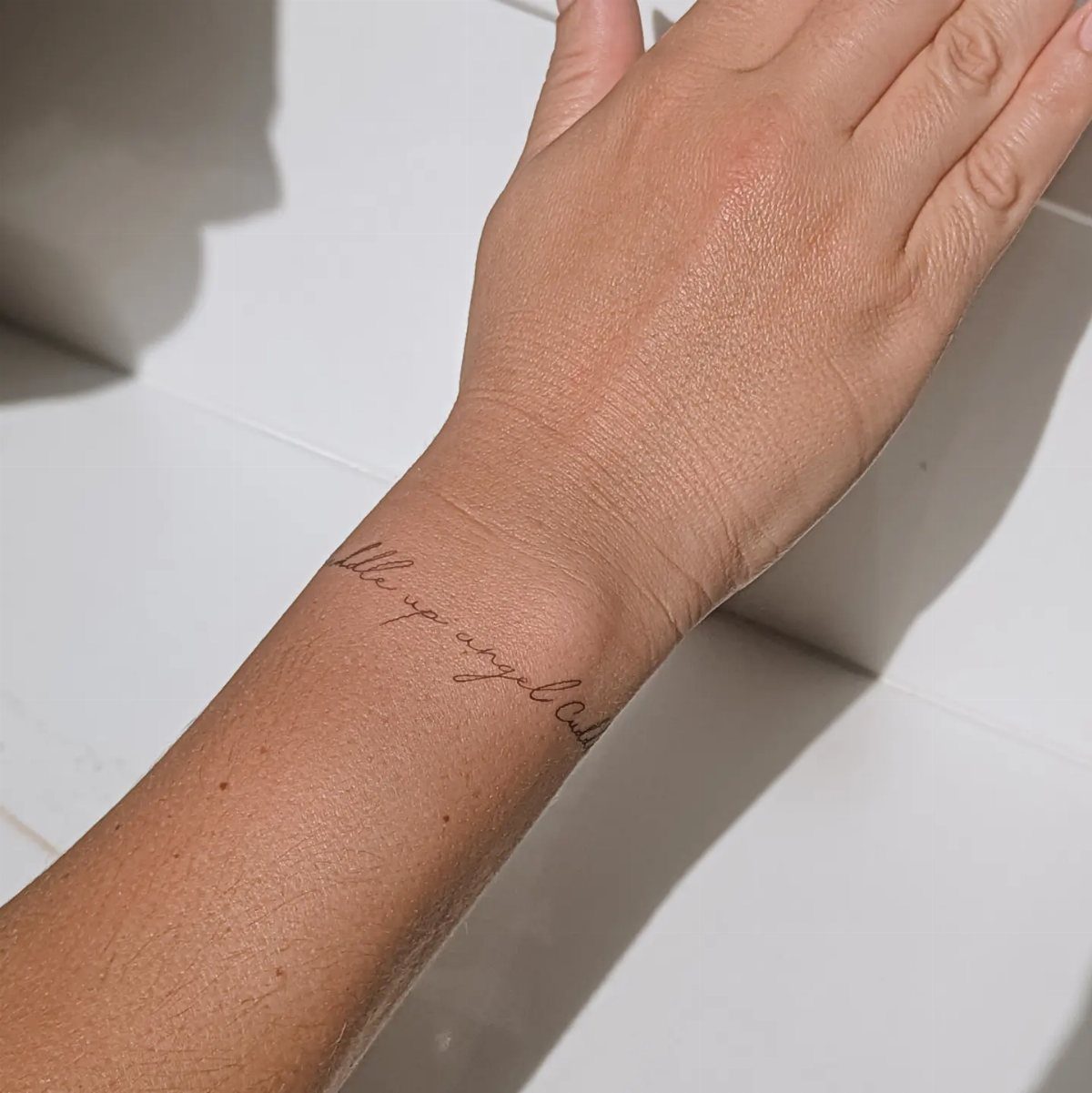
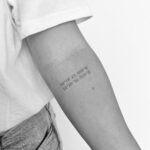
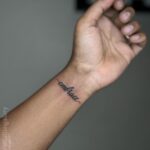
Cursive script wraps the wrist the way a bracelet does, which makes it easy to cover or display. The visible piece sits low enough that a watch or cuff hides it completely; plan your line breaks with that in mind.
Lettering this precise needs an artist who tattoos words regularly.
Fine line script has no room to hide a waver; one shaky loop throws off the whole word. Ask to see their healed lettering, not just fresh photos.
Quotes and names both work, but names carry obvious risk.
If you choose a quote, count the characters; wrist circumference limits you more than you think. Short words spaced well read better than cramped lines that wrap too far.

【Zen Minimalist Elephant Design】This semi-permanent tattoo set features a curated collection of minimalist line elephants, ranging from majestic family silhouettes to detailed floral-crowned portraits. Symbolizing wisdom, strength, and family bonds, these wild animal tattoos are rendered in a modern, single-line art style. Ideal for men and women who appreciate meaningful spiritual symbols and sleek, modern ink, perfectly sized for placement on the inner Half arm, chest, or shoulder.

Innovative Skin-Sync Technology: We don't just sit on the skin; we interact with it. By reacting organically with naturally occurring proteins in your skin's outermost layer (stratum corneum), our plant-based formula magically transforms from a transparent guide into a rich, ultra-realistic navy-black. It looks exactly like a healed, permanent tattoo—without the needles or depth.

🌼 Beautiful Hand-drawn Fine Line Style Tattoos - Black and White Fine Line Flowers, Roses, Branch, Butterfly, Arrows, Hearts, Stars
Fine Line Tattoo Care
Fine line ink breaks down faster under UV than traditional work, so sun protection starts the moment healing finishes.
SPF 50 or higher goes on every exposed tattoo, not just beach days; window glass does not block the rays that blur pigment.
Healing itself takes 2–3 weeks before you can even think about tanning.
Black lines hold crispness for 6–8 years with this routine. Pastels and lighter colors need touch-ups in 3–4 years regardless of care, so ask your artist about their retouch policy before you book.
Healed photos on their Instagram matter more for color work than for black; what sits on skin at 6 months looks nothing like fresh ink.

Tattoo-Safe Mineral Formula: Our tattoo sunscreen lotion uses non-nano zinc oxide, a physical barrier that sits on the skin to block UVA/UVB rays without penetrating or irritating tattoos. This helps prevent fading, discoloration, or damage to tattoo ink caused by sun exposure.

Nourishes Healing Ink for Vibrant Color: Tattoo Goo supports healing tattoos & maintains vibrancy on healed ink with a lightweight formula rich in olive oil, lavender oil, cocoa butter, and beeswax. It absorbs quickly, moisturizes deeply, and helps reduce dryness, itch and tightness so your tattoo looks and feels comfortable through everyday routines

TRAVEL READY - Meets TSA Carry-On regulations due to its small package size. This sunscreen stick easily fits in your pocket for on the go use.
Pain Levels for Fine Line Tattoos
Pain ratings for fine line work run lower than bold traditional pieces, but placement still dominates the experience.
Outer forearms and shoulders sit around 3/10, minimal enough that first-timers often choose them. Rib cage placement jumps to 9/10; the skin there is thin, the bone close, and the needle vibration travels.
The difference is needle time as much as intensity.
Fine line needles are smaller, which sounds gentler, but a detailed piece means more passes over the same area. A single heart outline finishes fast; a sun and moon wrapping ankle to calf tests endurance even at lower intensity.
Cost tracks time more than style.
A small outline with no shading runs cheaper than larger work, though the hourly rate stays the same. Consultations exist partly so you learn both numbers, time and money, before the stencil goes on.
Longevity of Fine Line Tattoos
Blurring happens to every tattoo eventually; skin wants foreign particles gone.
Fine line work just shows it sooner because there is less ink to lose. Placement and artist skill matter as much as pigment choice for how fast.
Black ink is the standard for longevity, holding definition for 6–8 years under normal conditions.
Colored fine lines, especially pastels, compress that to 3–4 years before refresh work. Red sits in a middle zone; it fades faster than black but leaves no gray ghost, just softer red.
Experience level shows in healed work, not fresh photos.
An artist who spaces lines well prevents the smudge that tight grouping causes. Ask specifically for pieces healed 1 year and 2 years; what looked precise on day one may have softened into indistinct gray if the technique was wrong.
Sun exposure accelerates every timeline. SPF 30 is the minimum for maintenance; SPF 50 is what fine line specialists recommend for the first years when pigment is most vulnerable.
Frequently Asked Questions
Why don’t fine line tattoos age well?
Fine line work shows aging sooner because less ink sits in the skin to begin with, not because the ink itself is weaker.
Skin naturally works to remove foreign particles over time, and with minimal pigment, the loss becomes visible faster. Placement, sun exposure, and how well the artist spaced the lines all affect how quickly blurring sets in.
Do fine line tattoos hurt?
Fine line hurts less than thick traditional work on average, but where you put it matters more than the needle size.
First-timers often pick outer forearm or shoulder because the sting sits around 3 out of 10. Ribs hit 9 out of 10: thin skin, bone right underneath, and the needle buzz shakes through the whole cage.
The needles are smaller, which sounds easier, but detail work means going over the same patch again and again, so lasting through the session counts as much as the bite itself.
Are fine line butterfly tattoos considered cliché?
Not if you personalize the design.
Butterfly tattoos are everywhere, which is only a problem if yours looks like everyone else’s. Wing patterns you sketch yourself, a thin geometric border, or a date worked into the antennae turn stock into story.
Fine line work helps here; the detail level lets an artist build in small elements that shift the meaning without adding bulk.