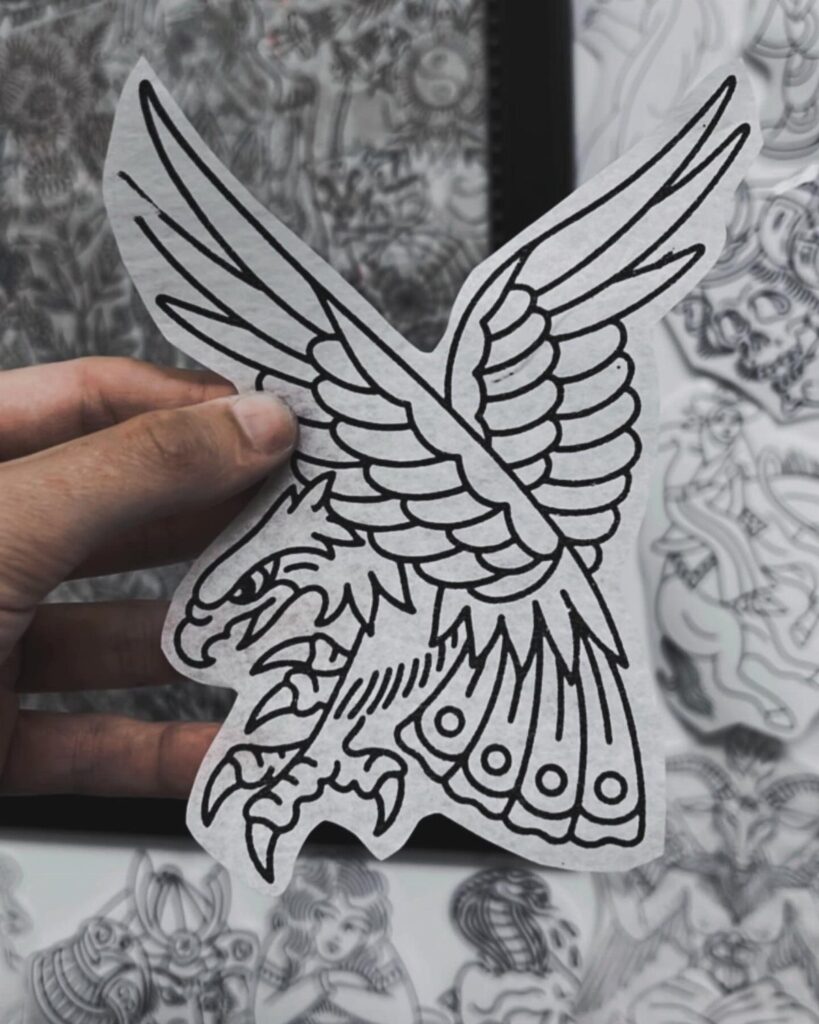
A hand-traced pencil sketch, a sheet of thermofax-reproduced flash, or a printed digital file each serves a different stage of learning, from first mapping a design to refining how the needle follows a line.
Tracing a complex shape like an octopus across fingers and wrist first lets you check the fit before any needle touches skin.
1. Hand Trace Stencil Designs
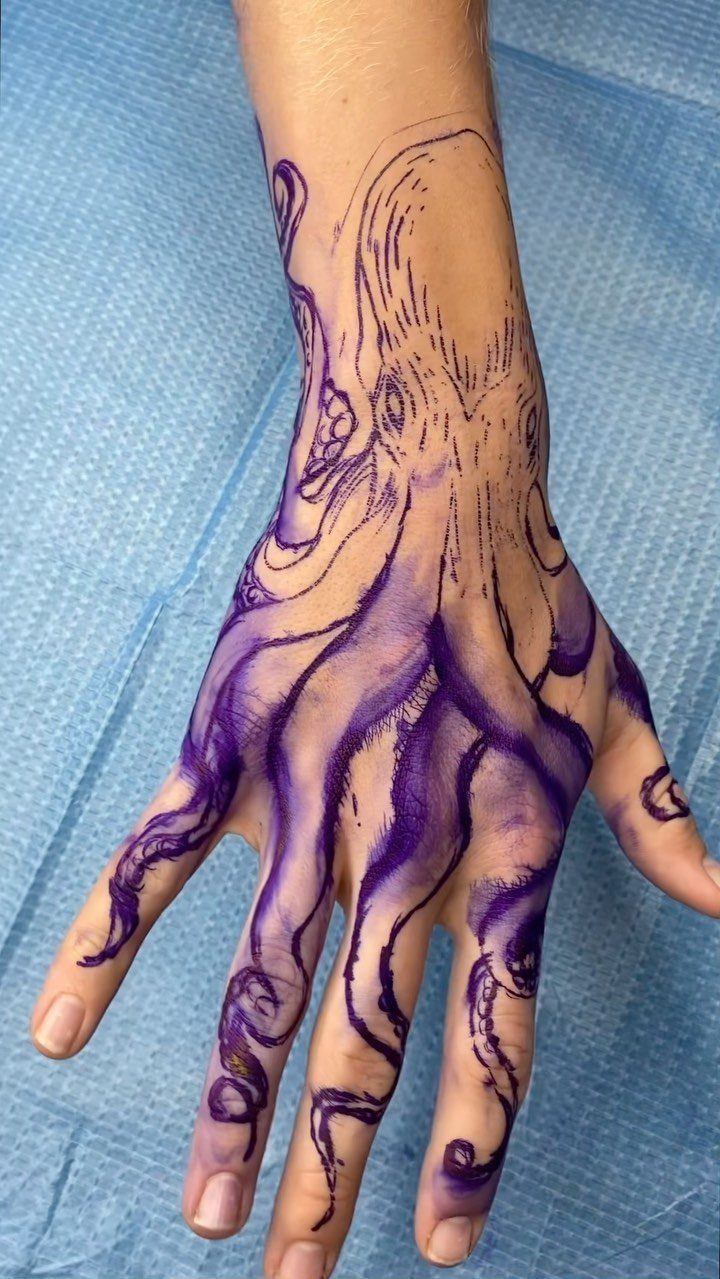
Hand tracing a design onto paper or practice skin builds the muscle memory that freehand tattooing demands. An octopus that curves across fingers and wrist is a shape that would be hard to hold steady without having traced it first.
For designs like this, a pencil and steady hand are enough.
Intricate work with varied line weights calls for a thermofax machine, which reproduces those details without the wobble. Either way, Etsy carries small designs sized for practice if you need something to trace.

Octopus Stencil: The reusable stencil is sea theme. There is a large octopus pattern. The vivid sea animal on our template will help you make good decorations by yourself.

🐙 Striking octopus design – Realistic detailing with curling tentacle designed to wrap around the arm or hand.

Unique Design Temporary Tattoos: Yazhiji 47 Sheets Cthulhu temporary tattoos embodies a symbol of cosmic horror and existential dread. This tattoo is for those intrigued by the mystery and the supernatural. It signifies a connection to the unknown and a deep respect for the eerie and inexplicable.
2. Traditional Tattoo Designs
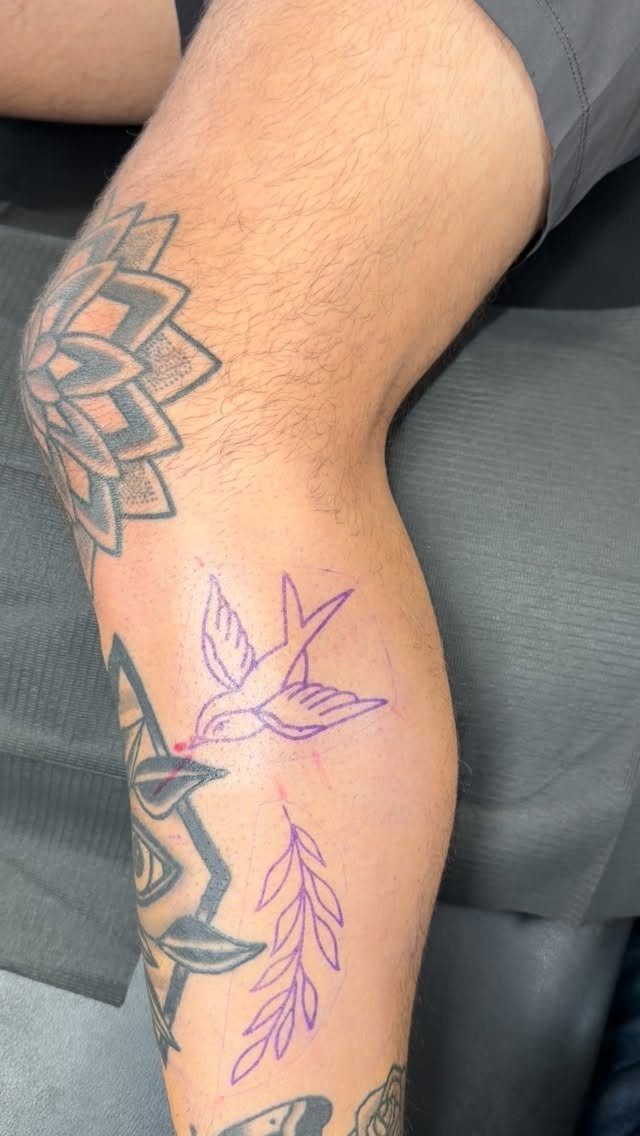
Traditional motifs like the swallow and leafy branch carry a visual language that predates modern tattooing.
Mexican calaveras, Moroccan geometric borders, and Sailor Jerry flash all fall under this heading, unified by bold outlines and limited color palettes that read clearly from a distance.
The stencil stage matters here more than with fine-line work.
Thick purple outlines let you check placement against existing tattoos before committing. On fake skin you can skip the expensive stencil primers made for human skin; the transfer still holds long enough to practice your passes.

Phomemo M08F Tattoo Printer Kit- Specifically built for tattoo applications. Phomemo Bluetooth tattoo stencil printer features a lightweight, wireless design, weighing in at only 2 pounds -only 63% the size of traditional tattoo transfer machine. Its built-in rechargeable and large battery ensures you are free from constant charging cables, providing unparalleled convenience and ease-of-use for tattoo artists on-the-go

【Easy to Use & Save Time 】TATELF tattoo stencil printer allow you copy the designs onto stencil paper efficiently just in a few simple steps, greatly improve work efficiency. It can help both professional tattoo artists and beginners save lots of time.

More Economical and Affordable-- Machine is made of quality ABS,smooth contour and no burrs .Perfect size fit work areas it works well in most templates,No ink needed and light bulb changes , economical and affordable!
3. Free Tattoo Stencils
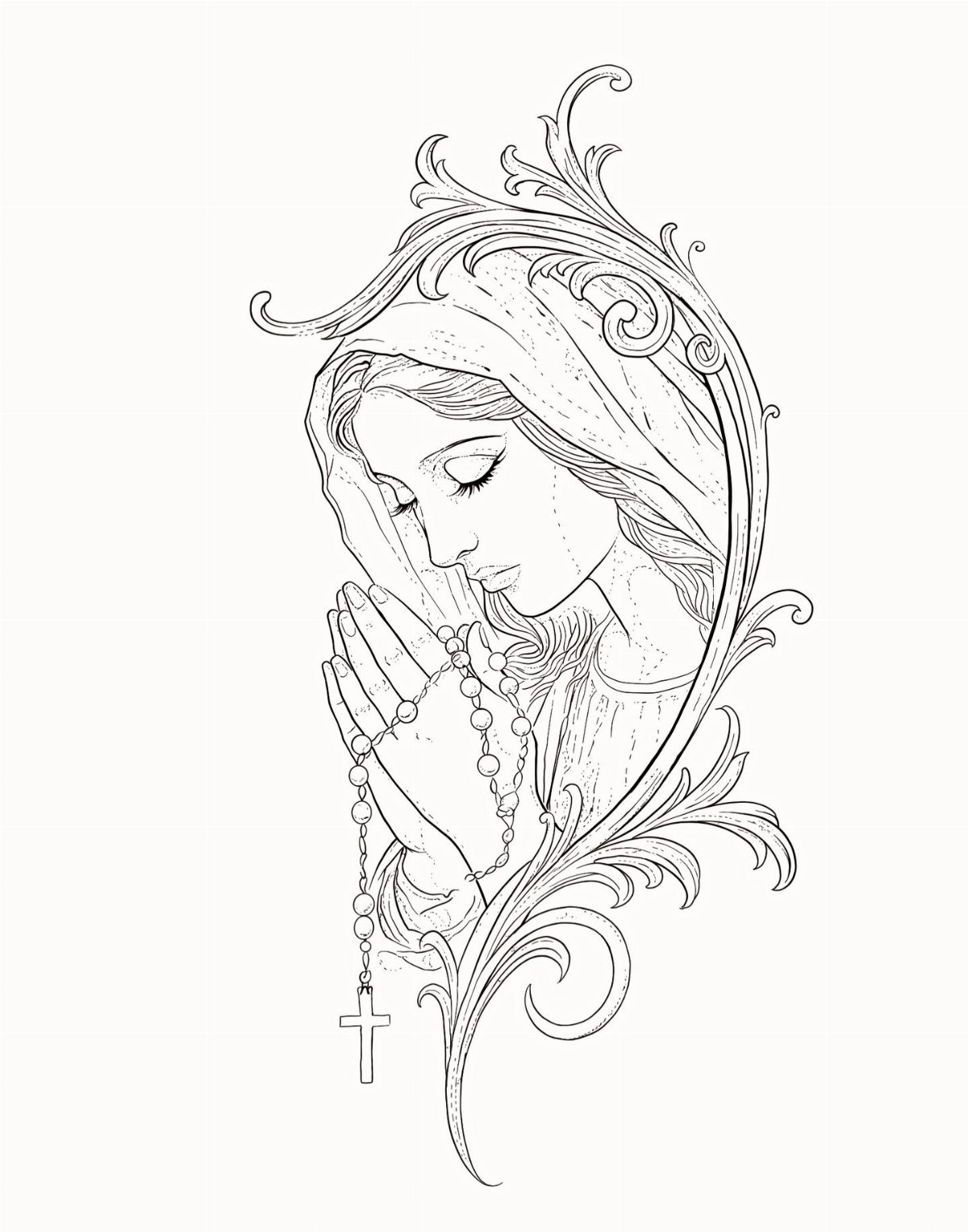
An inkjet-printed PDF of line art gives you enough clean pulls to test your transfer before the ink fades. Plain paper works; the stencil fluid does the adhesion, not the paper stock.
This is where most beginners start, and for good reason.
The design is already resolved, so your attention goes to transfer technique and needle control rather than drawing under pressure. Save your own sketches for after you have learned how ink behaves on fake skin.

TRADITIONAL BIRD ART: Features a classic set of traditional flying birds, dynamically designed to soar in pairs. This iconic artwork perfectly showcases classic American Traditional and old school tattoo aesthetics, featuring bold black outlines, solid color fills, and heritage dotwork shading on the wings.


❤️Authentic American Traditional Vibe | 9 non-repeating temporary tattoo sheets feature iconic old school motifs in classic blackwork style — roses, serpents, daggers, eagles, skulls, anchors and more. With bold weighted linework, they faithfully recreate the vintage tattoo parlor flash aesthetic, giving you an authentic inked look without permanent commitment.
4. Transfer Your Tattoo Designs
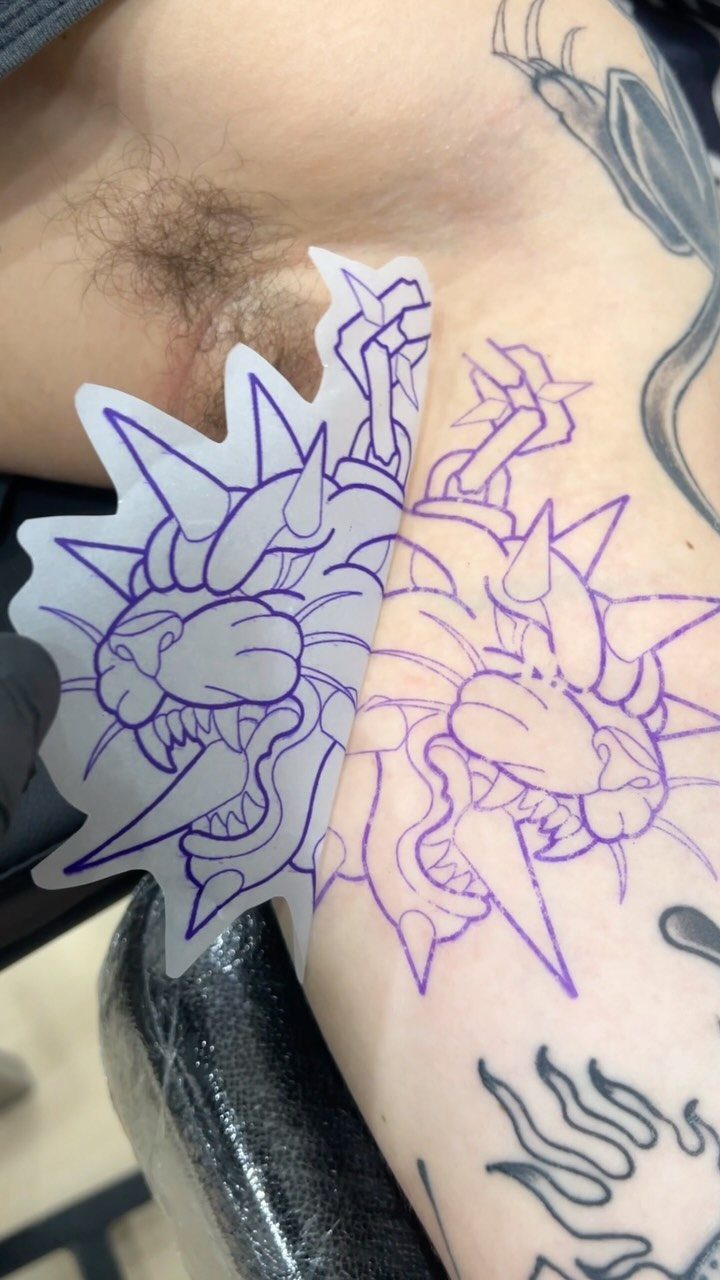
A clean transfer shows purple lines settled into the skin’s texture, with no gaps or bubbles where the needle could drift. Getting there on human skin takes stencil primer and patience.
On fake skin, stick deodorant works in place of the pricey primers you will need later.
Smooth it thin, press the transfer paper firmly, and peel back slowly from one corner. The translucent paper lets you watch for lifted spots before the whole design separates.

Spirit Tattoo Classic Thermal Transfer Paper, 8.5x11in: Established since 1946, the original and trusted choice of tattoo artists globally, offering reliability and consistency in tattoo stencil creation.
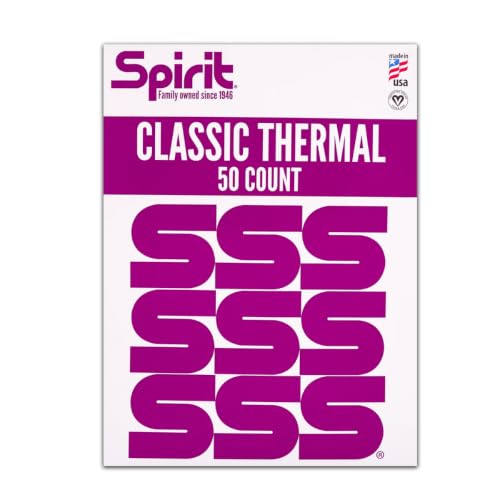
Spirit Tattoo Classic Thermal Transfer Paper, 8.5” X11” (25 Sheets): Established since 1946, the original and trusted choice of tattoo artists globally, offering reliability and consistency in tattoo stencil creation.
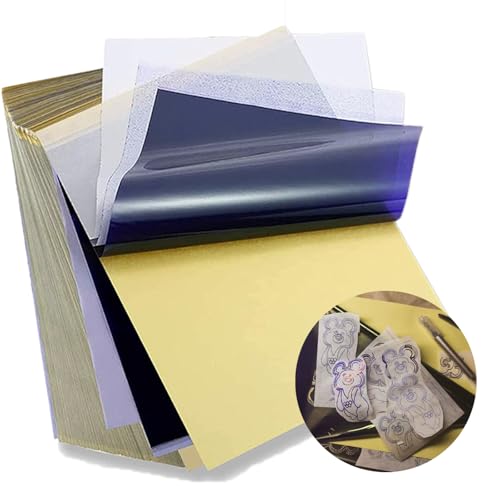
Standard size: Tattoo Transfer Paper is standard A4 paper size, each measures 8.27 in X 11.69 in. There are 4 levels in total. The thickness of the paper is very light and smooth to the touch.
5. Cowboy Skull Tattoo Stencil
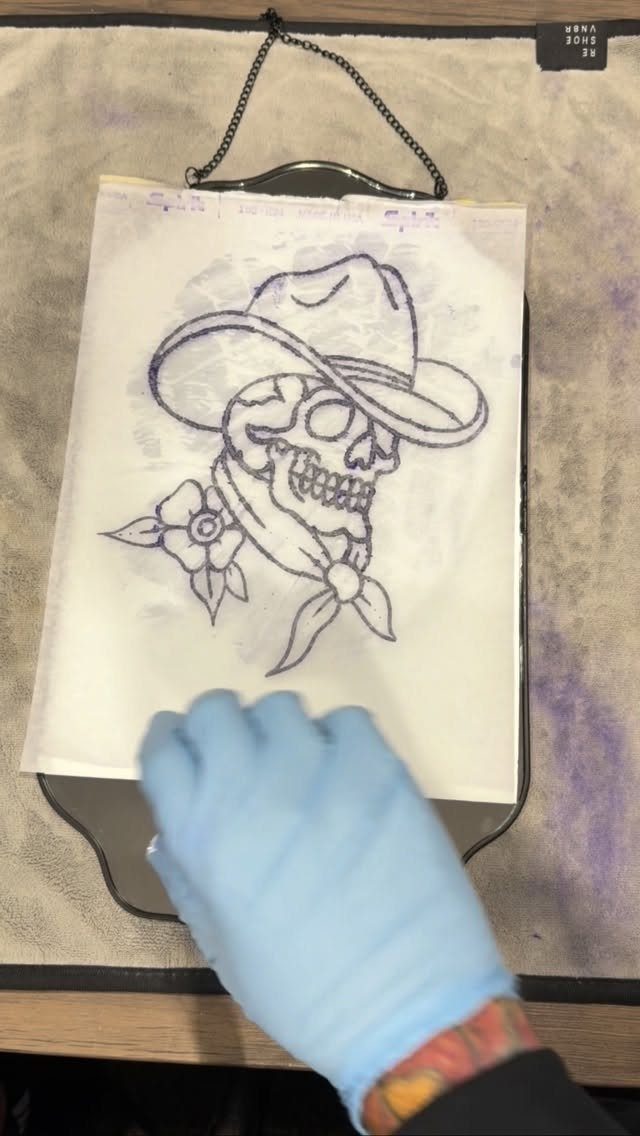
A skull in a cowboy hat with a neckerchief and flower reads as American traditional at a glance, though the subject matter is more specific than the usual eagle or anchor.
A stencil on white paper, not skin, is a design to file for later use or to practice your transfer technique before you commit to a real session.
Check the hat brim’s curve against the skull’s jawline before you transfer; the composition only holds if those angles relate cleanly.

Package Include: Each set includes 4pcs distinct PET templates, one of each design, totaling 4 pieces per set. Each template measures approximately 30cmx30cm (11.8x11.8inch) with uniform specifications. The package contains exactly 4 pieces, clearly specified in quantity, directly meeting diverse creative needs for both variety and quantity across multiple scenarios.
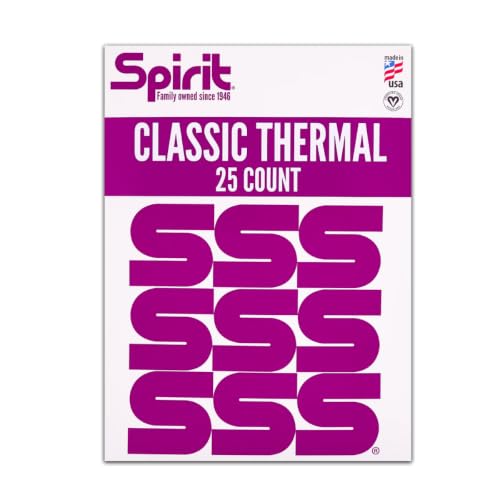
Spirit Tattoo Classic Thermal Transfer Paper, 8.5” X11” (25 Sheets): Established since 1946, the original and trusted choice of tattoo artists globally, offering reliability and consistency in tattoo stencil creation.